Trump Administration to End Medicare Part D Subsidies in 2027, Impacting Seniors’ Drug Costs
The Trump administration plans to end Medicare Part D subsidies in 2027, potentially increasing drug premiums for millions of seniors.

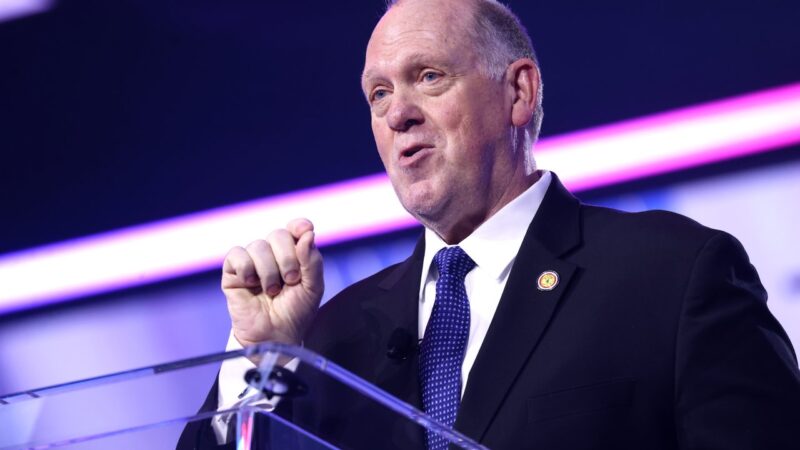
Gage Skidmore/Flickr
The Trump administration announced on July 29, 2026, that it will end the Medicare Part D subsidy program at the close of this year, a move expected to affect millions of seniors and disabled Americans by increasing prescription drug premiums starting in 2027. The subsidy program, which currently helps keep monthly premiums for prescription drug plans low, will expire as officials claim it disproportionately benefits insurance companies rather than Medicare recipients.
What is the Medicare Part D Subsidy Program?
Medicare Part D provides prescription drug coverage to more than 45 million older adults and disabled beneficiaries nationwide. The program includes a subsidy component where the federal government pays billions of dollars to private insurance companies to help offset the cost of premiums. On average, these subsidies have kept Part D premiums near $36 per month per enrollee, according to data from the Kaiser Family Foundation (KFF).
By subsidizing insurers, the government aims to stabilize prescription drug insurance costs for seniors, many of whom rely heavily on affordable medication to manage chronic conditions.
Administration’s Rationale and Expected Premium Changes
CMS Administrator Mehmet Oz explained the decision, saying the subsidy program has become a bailout for corporate insurance companies rather than a benefit for Medicare beneficiaries. Oz asserted that the market is being stabilized and that the subsidy is no longer necessary. He tweeted that most Medicare recipients would see premium increases of less than $10 monthly, with some even experiencing lower premiums due to other policies.
However, KFF projects that premiums could rise by as much as $20 a month for about half of Part D enrollees. The Trump administration official overseeing the announcement said half of recipients will have premium increases under $10 or decreases, and that plans costing $10 or less will remain widely available.
Enrollees can expect to receive updated premium information this fall in preparation for the 2027 plan year.
Political Context and Broader Healthcare Implications
The subsidy phase-out comes as the expiration of Affordable Care Act subsidies has already put pressure on healthcare affordability in the U.S. Healthcare costs remain a top voter concern heading into the 2026 midterm elections.
Trump administration officials criticized the Biden administration’s Inflation Reduction Act, arguing it funneled billions to insurance companies and raised premiums. Conversely, Biden officials have highlighted the act’s provisions for negotiating drug prices and lowering costs for patients, including policies that allow seniors to access GLP-1 drugs for weight loss at $50 per month.
The Trump team emphasized their “most favored nation” deals, which seek to align U.S. drug prices with those paid internationally, as part of their strategy to keep drug costs down despite ending the subsidies.
What This Means for Seniors in North Carolina
For the millions of Medicare Part D enrollees in North Carolina—including residents of Wayne and Duplin counties—this policy change may lead to higher monthly prescription drug plan costs starting in 2027. Seniors should anticipate receiving new plan premium details by fall and consider reviewing their options during the upcoming enrollment period.
Local healthcare advocates urge beneficiaries to stay informed and explore lower-cost plans where possible, as plan availability at $10 or less is expected to continue for many.
While the government steps back from subsidies, it maintains efforts to control drug pricing through direct negotiations and expanded access to affordable therapies. The overall impact on North Carolina’s vulnerable populations will depend on how these policies unfold and how insurance providers adjust their premiums in the coming year.