Poland Blames Russia After Missile Strikes Deep Inside Its Territory Amid Deadly Ukrainian Attacks
A missile fired by Russia exploded 55 miles inside Poland, prompting NATO scramble as deadly attacks continue across Ukraine.
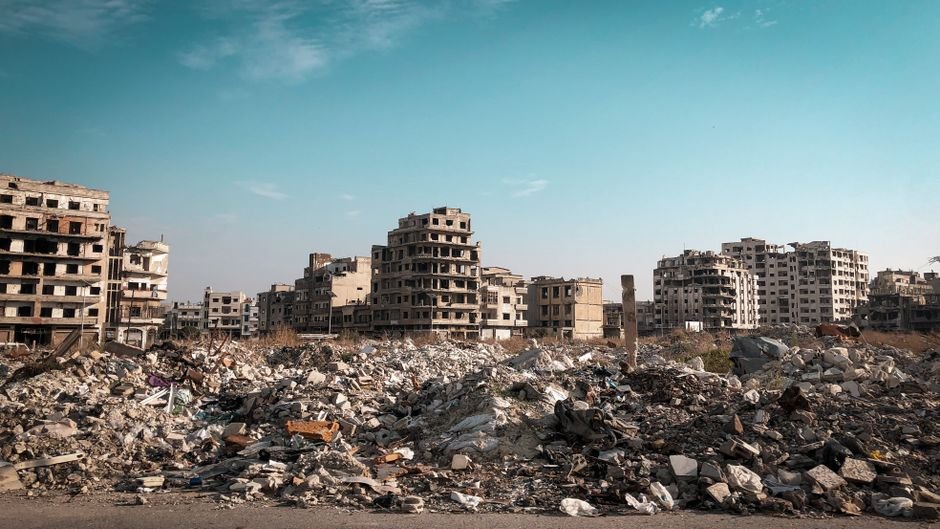
ali Saleh/Pexels
Poland’s military and NATO forces scrambled jets early Thursday after a missile, identified as a Russian Kh-101 cruise missile, landed and exploded deep inside Polish territory. The incident occurred amid a broader wave of deadly Russian missile and drone strikes across Ukraine that killed at least nine people and injured dozens. Poland’s Prime Minister Donald Tusk confirmed the missile’s origin and reassured the public that NATO was prepared to intercept the threat if necessary.
Missile Incident Deep Inside Poland Raises Alarm
The missile struck approximately 90 kilometers (55 miles) into Poland, leaving a large crater in a field and triggering emergency military responses. NATO deployed fighter jets, a refueling aircraft, Polish early warning planes, and helicopters to counter the threat. According to NATO officials, the missile was seconds away from being shot down before it crashed on its own. At this stage, no formal NATO Article 4 consultations have been initiated, which would involve member states discussing collective measures.
Prime Minister Tusk visited the impact site and stated there was no indication Poland was the intended target, describing the incident as a dangerous escalation but not a deliberate strike against NATO territory. This marks one of the furthest penetrations of Russian missiles into a NATO country since Russia’s full-scale invasion of Ukraine began in 2022. Previously, a missile in November 2022 hit close to the border, killing two people.
Deadly Russian Attacks Continue Across Ukraine
Simultaneously, Russia launched a devastating barrage of over 70 missiles and nearly 280 drones targeting multiple Ukrainian cities and infrastructure. Ukrainian officials reported at least nine fatalities, including six members of a single family in the village of Radushne near President Volodymyr Zelensky’s hometown of Kryvyi Rih. The family home was destroyed in a ballistic missile strike, with rescue teams still searching for missing children amid the rubble.
In Lviv, emergency responders evacuated a 10-year-old boy from the debris of a residential building hit by missile fire. Overall, Ukrainian authorities said more than 50 people were injured and numerous homes, businesses, and critical infrastructure were damaged or destroyed. President Zelensky condemned the attacks and highlighted the urgent need for enhanced air defenses as the intensity of Russian strikes increases.
NATO’s Response and Regional Security Implications
NATO’s Supreme Allied Commander for Europe, General Alexus G. Grynkewich, reaffirmed the alliance’s commitment to defend its members and take all necessary measures to protect NATO territory. Although Article 4 has not been invoked yet, the incident underscores rising tensions between Russia and NATO countries bordering Ukraine. The missile landing in Poland, a NATO member, raises concerns about the potential for accidental or intentional escalation amid the ongoing conflict.
Poland has been a staunch supporter of Ukraine, providing military aid and accepting millions of refugees since the conflict began in 2022. The missile strike serves as a stark reminder of the war’s spillover risks and the fragile security environment in Eastern Europe. NATO’s readiness to respond quickly has been tested, but so far, the alliance has avoided direct military confrontation with Russia.
Ukraine’s Counterattacks and International Appeals
Meanwhile, Ukraine continues to emphasize its capability to strike deep inside Russian territory, targeting facilities such as Wildberries, Russia’s major e-commerce company. President Zelensky’s recent visit to the United States aimed to secure more advanced air defense systems to protect Ukrainian cities from ongoing missile and drone strikes. Civilian casualties have surged in July 2026, reaching numbers not seen since early in the war.
The conflict’s intensity and the risk of further missile incidents affecting NATO countries highlight the urgent need for diplomatic efforts alongside military preparedness. Both NATO and Ukraine face the challenge of deterring Russian aggression while avoiding a broader war involving NATO forces directly.
The missile strike in Poland and the deadly attacks across Ukraine on July 30, 2026, mark a dangerous new phase in the ongoing conflict, with regional security and civilian lives hanging in the balance.