Trump Declares Emergency to Block Financial Records Release Ahead of Court Deadline
One day before a court-ordered deadline, Trump declares emergency to stop release of his financial records in lawsuit with BBC.
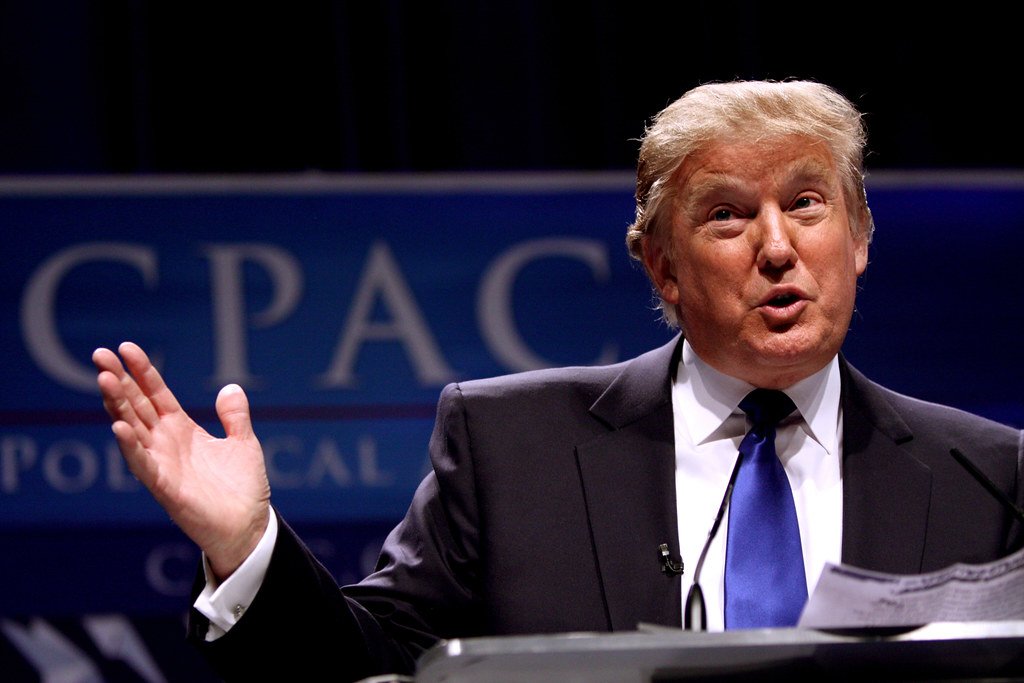
Gage Skidmore/Flickr
In a last-minute legal maneuver on August 5, 2026, President Donald Trump declared an emergency motion to prevent the release of his financial records to the BBC, just one day before a court-ordered deadline. The records pertain to the Donald J. Trump Revocable Trust, which controls hundreds of Trump business entities and are central to a high-stakes defamation lawsuit filed by Trump against the British broadcaster.
Background of the Lawsuit and Court Orders
Trump sued the BBC for $10 billion over its coverage of his January 6, 2021, speech, alleging that the broadcaster misrepresented his remarks by splicing together clips spoken nearly an hour apart. Trump’s complaint claims the coverage damaged the value of his brand and businesses, prompting the court to order the disclosure of his financial details. U.S. Magistrate Judge Enjoliqué Lett, presiding in Miami, ruled on July 27 that Trump must produce tax returns, ownership documents, and financial statements from January 2023 onward. The initial batch of records was due by August 6, with weekly submissions to follow.
Trump’s Emergency Motion and Legal Strategy
After waiting nearly the full 10-day window, Trump’s legal team requested an extension from the BBC on August 3, which was declined. On August 5, Trump’s lawyers filed an emergency motion with U.S. District Judge Roy Altman seeking to freeze Judge Lett’s order while Trump appeals. The motion characterized the situation as a “true emergency” and accused the BBC of using the litigation for political gain. The emergency request aims to block the production of financial records tied to the Trump Revocable Trust, which holds approximately 400 business entities under Trump’s control.
Significance of the Trump Revocable Trust
The Donald J. Trump Revocable Trust is central to the case because it holds virtually all of Trump’s business assets. Being revocable means Trump can dissolve the trust and reclaim its assets at any time. Judge Lett emphasized that the trust’s financial information is relevant to assessing damages claimed in the lawsuit. While Trump’s lawyers recently narrowed the complaint to focus on reputational harm rather than economic losses, the court has maintained that financial records remain material to the case. The BBC argues that Trump’s business interests and public image are intertwined, making the financial data critical evidence.
Implications and Next Steps
If Judge Altman does not act before August 6’s deadline, the Trump Revocable Trust faces the choice of complying with the order or risking sanctions for defiance. The case is set for trial in February 2027, with the BBC also seeking to depose Trump under oath. The ongoing legal battle highlights the tensions between public figures’ privacy, media accountability, and the courts’ role in balancing these interests amid politically charged litigation.
As the deadline passes, the Mount Olive region and broader North Carolina will be watching closely how federal judges handle the emergency motion and whether Trump will be compelled to disclose his financials, which could have significant ramifications for the lawsuit and his public standing.