U.S. and Iran Exchange Intense Attacks After Trump Declares Ceasefire ‘Over’
U.S. and Iran traded heavy strikes after President Trump ended the ceasefire, escalating tensions and casting doubt on peace talks.
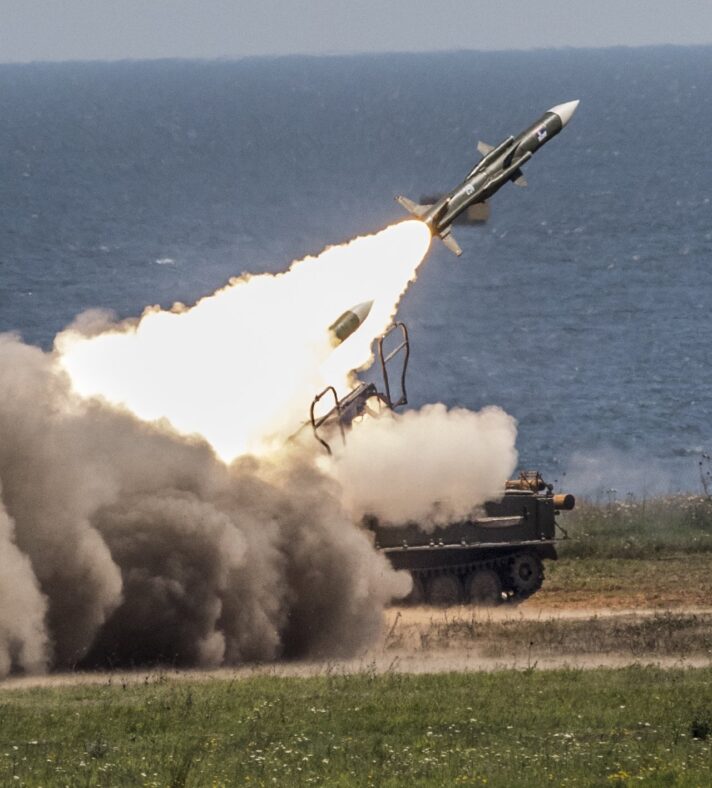
U.S. Army 126PAOC by Sgt. Robert Douglas/Wikimedia Commons
The United States and Iran engaged in a fierce exchange of military strikes overnight into July 9, 2026, after President Donald Trump declared the ceasefire between the two nations to be “over.” The renewed attacks have escalated tensions dramatically, casting uncertainty over ongoing efforts to negotiate a lasting peace following months of conflict in the Middle East.
Escalating Military Strikes and Targets
The U.S. military announced it conducted airstrikes against approximately 90 Iranian military targets, including air defense systems, missile storage sites, naval facilities, and military logistics along Iran’s coastline. These strikes came in response to Iranian attacks on commercial shipping in the Strait of Hormuz, a vital global oil transit route. The Pentagon detailed that the attacks were aimed at curbing Tehran’s ability to disrupt maritime traffic and degrade its military infrastructure.
Following the U.S. strikes, Iranian state media reported multiple explosions in southern cities and accused the U.S. of targeting civilian infrastructure, including two railway bridges critical for transportation to Mashhad. The Iranian Health Ministry confirmed at least 14 deaths and 78 injuries from the two days of U.S. attacks. Iranian officials also claimed a U.S. strike hit near the Bushehr nuclear power plant, though the Pentagon has not commented on this specific allegation.
Iran’s Retaliation Targets U.S. Allies in the Region
Tehran responded with a wave of missile and drone attacks against U.S. allies across the Middle East, striking locations in Qatar, Bahrain, Kuwait, and Jordan. Jordanian officials reported intercepting eight Iranian missiles early Thursday morning. These retaliatory strikes deepened regional fears of a broader conflict. The attacks on U.S. partners underscore Iran’s intent to pressure Washington and its allies amid the ongoing war, which began in February with American and Israeli military operations.
Peace Talks in Limbo as Khamenei’s Funeral Takes Center Stage
The violent exchanges have cast serious doubt on the viability of the peace negotiations initiated in mid-June. Trump and Iranian representatives had signed a memorandum of understanding that launched a 60-day period for negotiations toward a final ceasefire. However, talks have been on hold this week as Iran holds large funeral ceremonies for the country’s slain Supreme Leader, Ayatollah Ali Khamenei, who was killed in early 2026 by U.S.-Israeli strikes.
Khamenei’s burial is scheduled for Thursday in Mashhad, a city of profound religious significance. Iranian leaders have used the funerals to rally domestic support and condemn U.S. actions, complicating diplomatic efforts. The heightened nationalistic fervor and ongoing violence make the peace process increasingly fragile.
President Trump’s Stance and Warnings
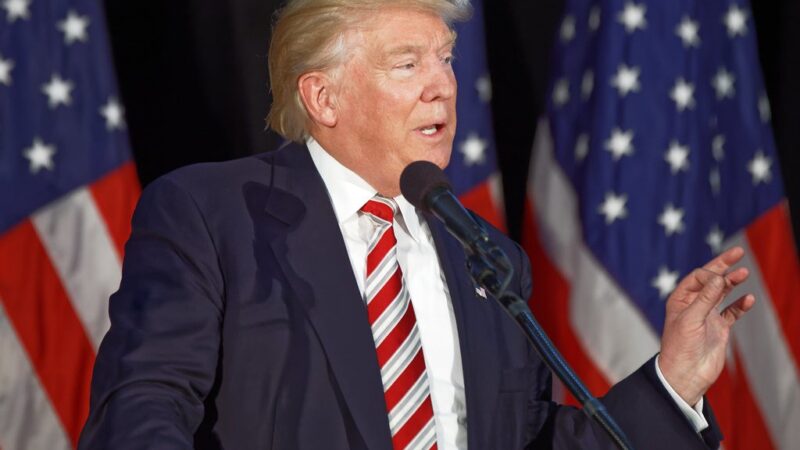
After concluding a NATO summit in Turkey, President Trump openly declared the ceasefire “over,” blaming Iran for attacks on commercial ships and warning of intensified U.S. strikes if aggression continued. Trump referred to Iranian leaders as “scum” and dismissed the ongoing peace efforts as questionable, while also expressing skepticism about Tehran’s sincerity in negotiations.
Despite his hardline rhetoric, Trump indicated he remains open to dialogue, suggesting the recent escalation would not lead to prolonged military engagement. “I just don’t know that they’re worthy of making a deal,” he said, pointing to Iran’s recent provocations as evidence of unreliability. The president’s statements signal a complex balancing act between military pressure and diplomatic maneuvering.
Regional and Global Implications
The ongoing clashes between the U.S. and Iran threaten to destabilize the already volatile Middle East region. The attacks on shipping routes in the Strait of Hormuz have global economic repercussions, raising fears of disruptions to the world’s oil supply. Additionally, the involvement of multiple U.S. allies in Iranian retaliatory strikes risks drawing more countries into the conflict.
International observers remain cautious as the situation unfolds, warning that failure to resume meaningful negotiations could escalate into a wider war. The coming days will be critical in determining whether diplomacy can regain ground or if military confrontation will deepen.
The renewed U.S.-Iran hostilities following President Trump’s announcement have plunged the fragile ceasefire into crisis, with regional allies caught in the crossfire and peace prospects uncertain amid national mourning in Iran.