Deadly Lebanon Attacks Delay US-Iran Talks, Testing Fragile Ceasefire
Intensified fighting in Lebanon has led to the postponement of crucial technical talks between the U.S. and Iran, threatening a recently signed agreement aimed at ending regional conflict.
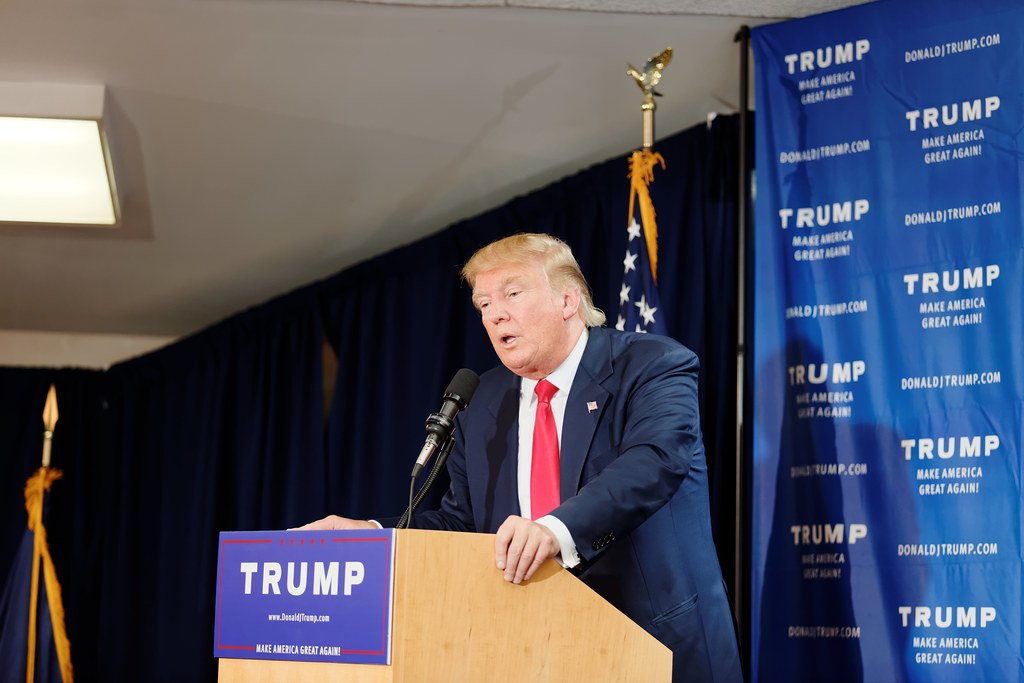
Michael Vadon/flickr (BY-SA)
Planned technical talks between the United States and Iran in Switzerland have been postponed due to intensified fighting in Lebanon, officials confirmed on Friday, June 19, 2026. The delay casts a shadow over a recent memorandum of understanding (MOU) aimed at ending the Middle East war and reopening the Strait of Hormuz.
Lebanese media reported that at least 18 people were killed in Israeli airstrikes in southern Lebanon, with the Israeli military stating that four of its soldiers had also died in fighting in the region. These escalations have put the nascent agreement between the U.S. and Iran under strain, as neither Israel nor Hezbollah were signatories to the deal.
The planned talks, which were set to address Iran’s nuclear program, were postponed as Iran reportedly sought assurances that Israel would cease its military actions in Lebanon. U.S. Vice President JD Vance, who was scheduled to attend the negotiations, also called off his trip to Switzerland. Mediators are reportedly working to reschedule the meetings.
The MOU, signed on June 17, 2026, established a 60-day ceasefire period to negotiate final terms. Despite the postponement of talks, shipping activity in the Strait of Hormuz has reportedly increased. The agreement was signed remotely by U.S. President Donald Trump and Iranian President Masoud Pezeshkian, with Trump signing a paper copy at the G7 summit in Versailles, France.
The fighting in Lebanon, where Israel has been clashing with the Iran-backed Hezbollah, remains a precarious aspect of the deal. Israel has stated its intention to maintain a security zone in southern Lebanon, a stance that has drawn criticism from the U.S. administration.