The 8 Most Suffocatingly Humid Cities in the United States – Ranked by How Much They Unsettle New Arrivals
Discover the 8 most humid US cities ranked by how much they unsettle new arrivals with their relentless, suffocating moisture.
Richard Vanlerberghe/Unsplash
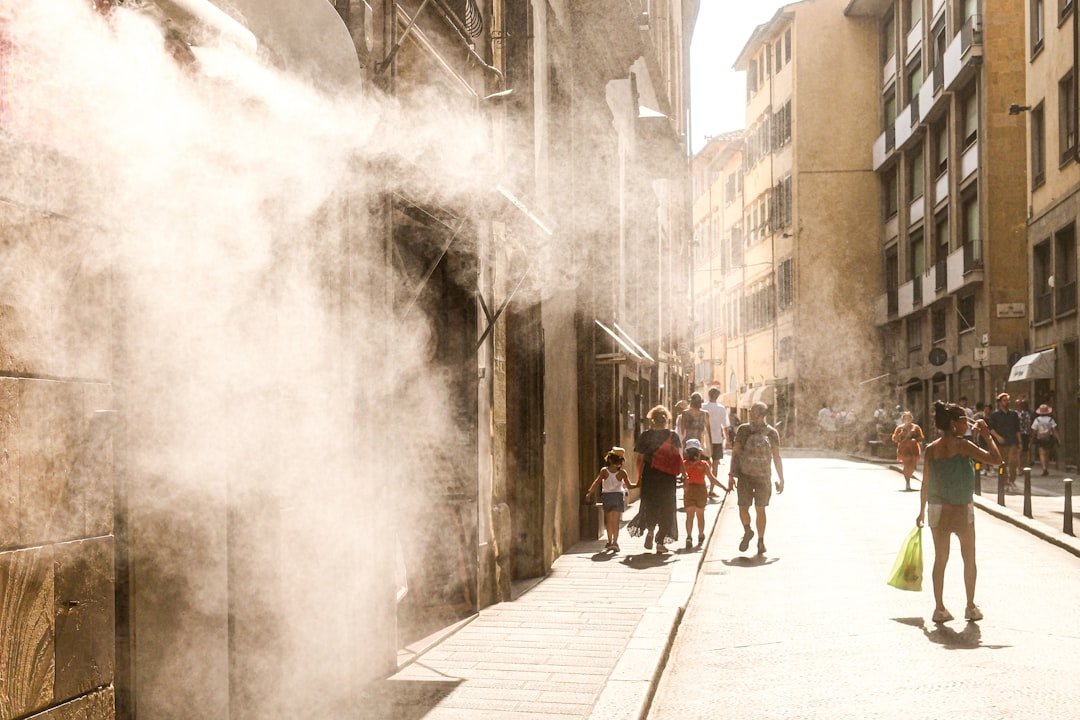
Humidity can make or break the comfort of any city, especially for those new to the sticky, heavy air. Across the United States, some cities are notorious for their suffocatingly high humidity levels, unsettling newcomers who aren’t used to the constant moisture that clings to skin, clothes, and even moods. From the Gulf Coast to the Southeast and beyond, this article ranks the eight most humid cities in the US based on humidity statistics and anecdotal reports from new residents. Understanding these cities’ unique climates can help both locals and visitors prepare for the pervasive dampness that defines their summers and sometimes even their winters.
What Makes a City ‘Suffocatingly Humid’?
Humidity is essentially the amount of water vapor in the air, and high percentages can leave people feeling sticky, sweaty, and uncomfortable. Cities near large bodies of water or in warm climates tend to experience the highest humidity levels. The term “suffocatingly humid” often refers to places where the heat index — a combination of temperature and humidity — makes the air feel oppressively hot. For new arrivals, this can cause physical discomfort, dehydration, and challenges in everyday activities, including dining and outdoor experiences.
Experts measure humidity by relative humidity percentage and heat index values. The cities listed here have consistently ranked in the highest tiers for these measures based on NOAA data and local weather reports. Residents and newcomers alike often comment on how the damp air affects everything from their appetite to their energy levels.
The Top 8 Most Humid Cities in the US That Unsettle Newcomers
Here are the cities that combine high humidity with climate conditions that tend to unsettle those unaccustomed to such moisture:
- Houston, Texas: Houston’s proximity to the Gulf of Mexico means sticky summers with humidity often exceeding 80%, making it challenging for new residents to adjust.
- New Orleans, Louisiana: Known for its vibrant culture and cuisine, New Orleans’ humidity can make even short walks feel draining.
- Miami, Florida: Tropical humidity combined with heat is a double whammy for newcomers unprepared for the relentless moisture.
- Mobile, Alabama: With a coastal location, Mobile’s muggy and wet climate ranks it among the most humid cities in the country.
- Jacksonville, Florida: Florida’s largest city by area is also one of its most humid, with long, sweaty summers.
- Myrtle Beach, South Carolina: A tourist hotspot with ocean breezes that do little to cut through the heavy humidity.
- Savannah, Georgia: Historic charm aside, Savannah’s sticky summer air can be tough for visitors and new residents alike.
- Charleston, South Carolina: Another coastal city where the mix of heat and humidity creates a relentless, sticky atmosphere.
Many of these cities also experience high dew points, making the air feel even heavier. For newcomers, this often translates into taking more frequent breaks, investing in breathable clothing, and adjusting daily routines to cooler parts of the day.
How Humidity Affects Dining and Food Experiences
Humidity doesn’t just impact comfort; it also influences food and restaurant experiences in these cities. High moisture levels can affect food preservation, the texture of baked goods, and even the taste of certain dishes. For example, bread can become soggier faster, and fried items may lose their crispiness more quickly in the humid air. Newcomers often notice these subtle but important differences when trying local cuisine.
Restaurants in these humid cities often design their menus and cooking methods to accommodate the climate. For instance, seafood is a staple in many of these coastal regions, but preparation techniques emphasize freshness and quick serving to combat the rapid spoilage risk. Additionally, cold beverages and iced desserts are popular as they provide relief from the oppressive heat and humidity.
Tips for Newcomers to Survive and Thrive in Humid Cities
Adjusting to high humidity requires some practical strategies to maintain comfort and health. Here are some tips for newcomers struggling with the suffocating moisture:
- Wear lightweight, moisture-wicking clothing to stay dry and cool.
- Stay hydrated by drinking plenty of water throughout the day.
- Use air conditioning and dehumidifiers indoors to reduce moisture buildup.
- Schedule outdoor activities for early mornings or evenings when humidity is lower.
- Incorporate local foods and drinks designed to refresh and rehydrate.
These simple adjustments can make the difference between feeling overwhelmed by humidity and enjoying life in these vibrant, humid cities.
While the high humidity in these eight cities can be challenging, it’s also part of what shapes their unique environments, cultures, and culinary traditions. Understanding and preparing for the moist air will help new arrivals settle in and appreciate the distinctive character that suffocating humidity brings to life in these American cities.