7 Dog Breeds Most Likely To Trigger Allergies, According To Vets
Discover the 7 dog breeds vets say are most likely to trigger allergies and why some pups cause sniffles and sneezes more than others.
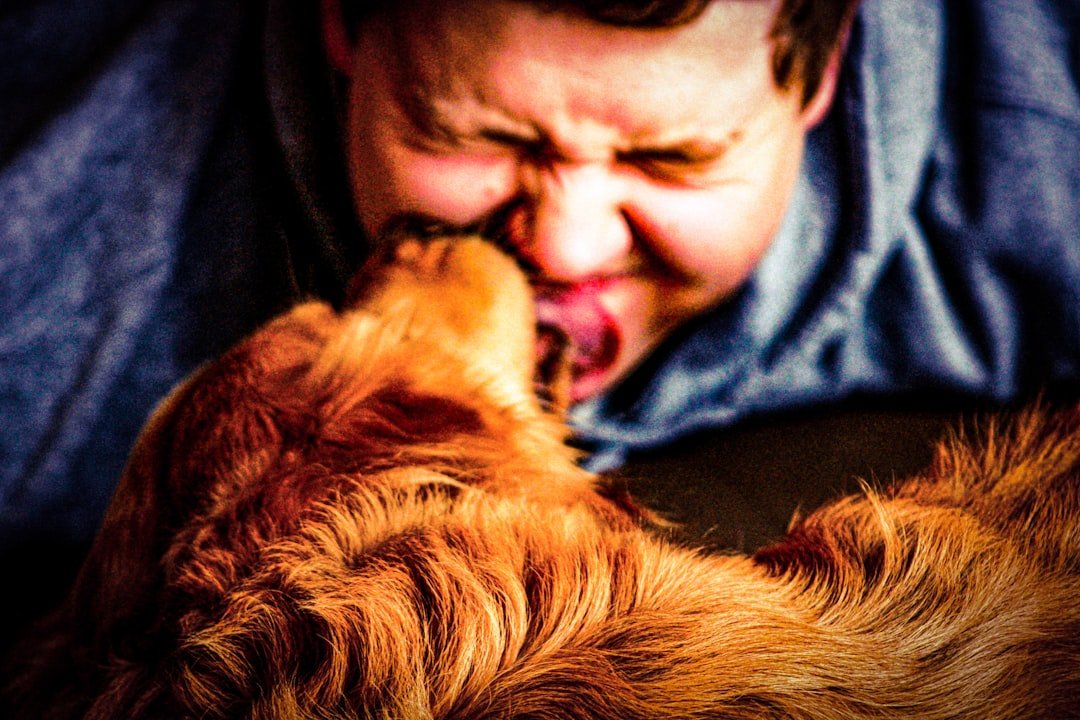
Ashley Levinson/Unsplash
For allergy sufferers, bringing a dog into the home can be a sneeze-filled gamble. Veterinarians have identified certain breeds as more likely to trigger allergic reactions due to their coat type, dander levels, and shedding habits. If you’re sensitive to pet allergens, it helps to know which dogs might cause the most trouble.
1. Labrador Retriever
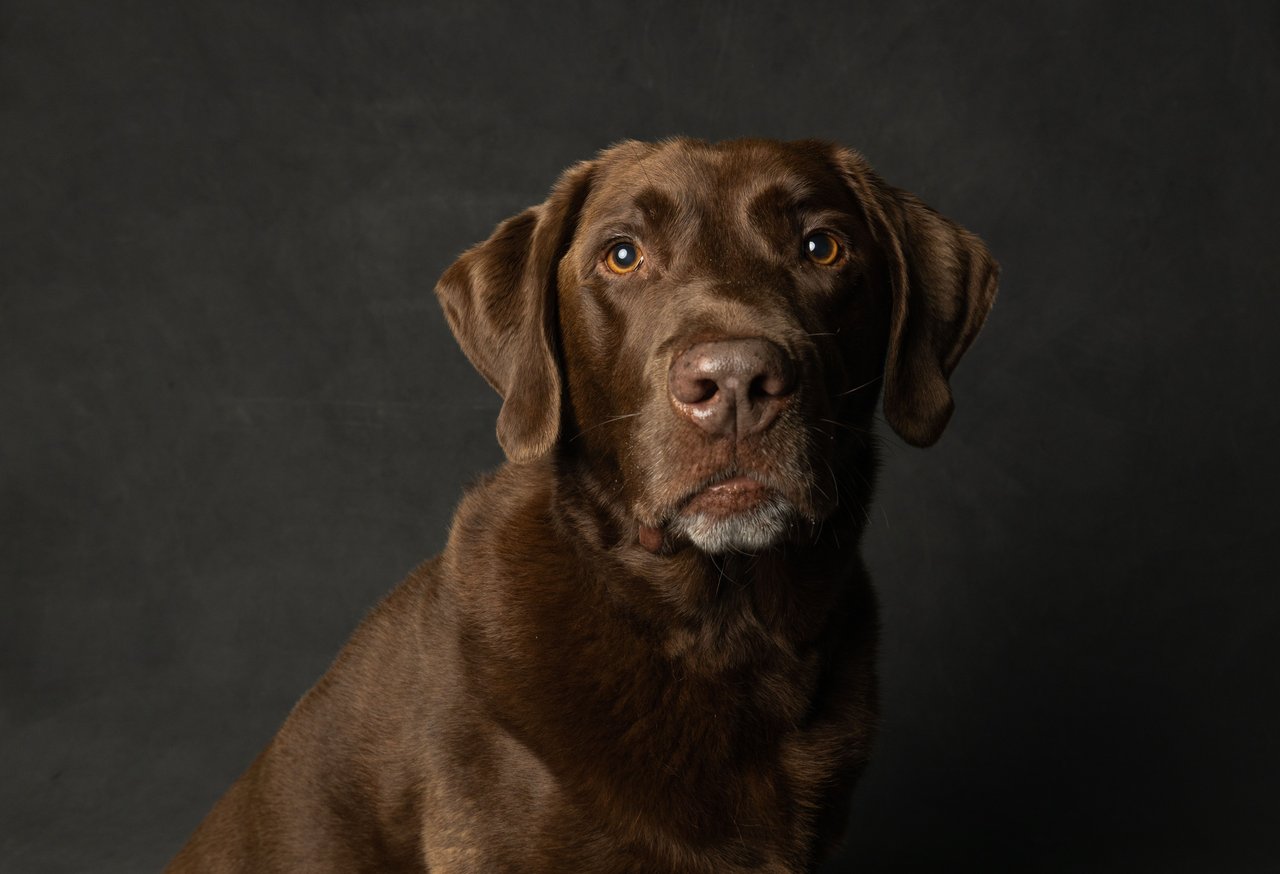
Labrador Retrievers are one of the most popular breeds in the U.S., but their thick double coat produces a significant amount of dander and fur, which is a primary allergy trigger. Labs shed year-round, especially in spring and fall, spreading allergenic proteins that cling to furniture and clothing. Their friendly nature means close contact, increasing exposure risk for sensitive individuals.
2. German Shepherd
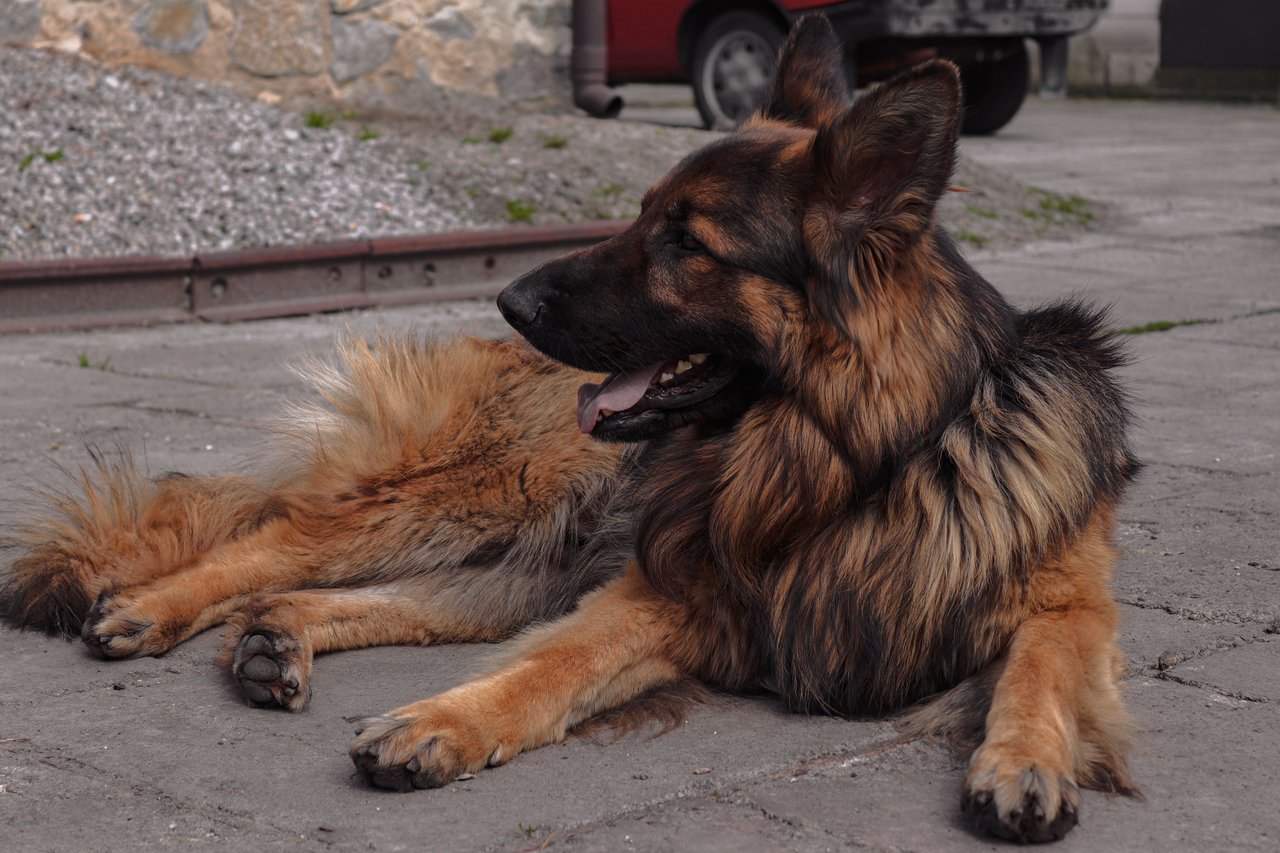
Known for their dense, double-layered coat, German Shepherds shed heavily, releasing abundant dander into the environment. The proteins in their skin flakes and saliva are common allergens. Despite their intelligence and loyalty, their shedding patterns make them a frequent cause of allergic reactions, especially in homes without rigorous cleaning routines.
3. Golden Retriever
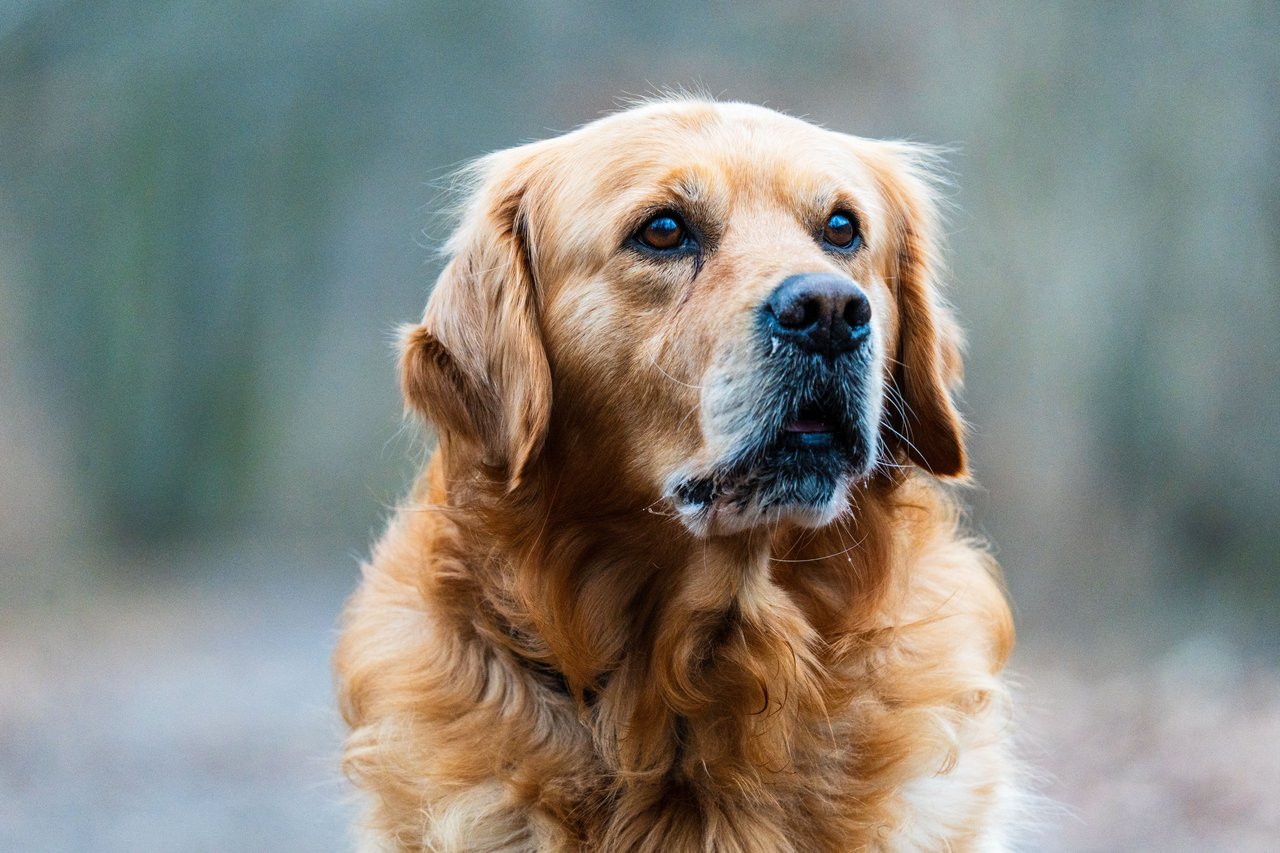
Golden Retrievers have long, water-repellent coats that shed continuously. Their dander and saliva contain allergenic proteins that often provoke symptoms in sensitive individuals. Regular grooming helps, but their natural shedding cycle means allergens are constantly released into the air and on surfaces, making them a challenge for allergy sufferers.
4. Siberian Husky
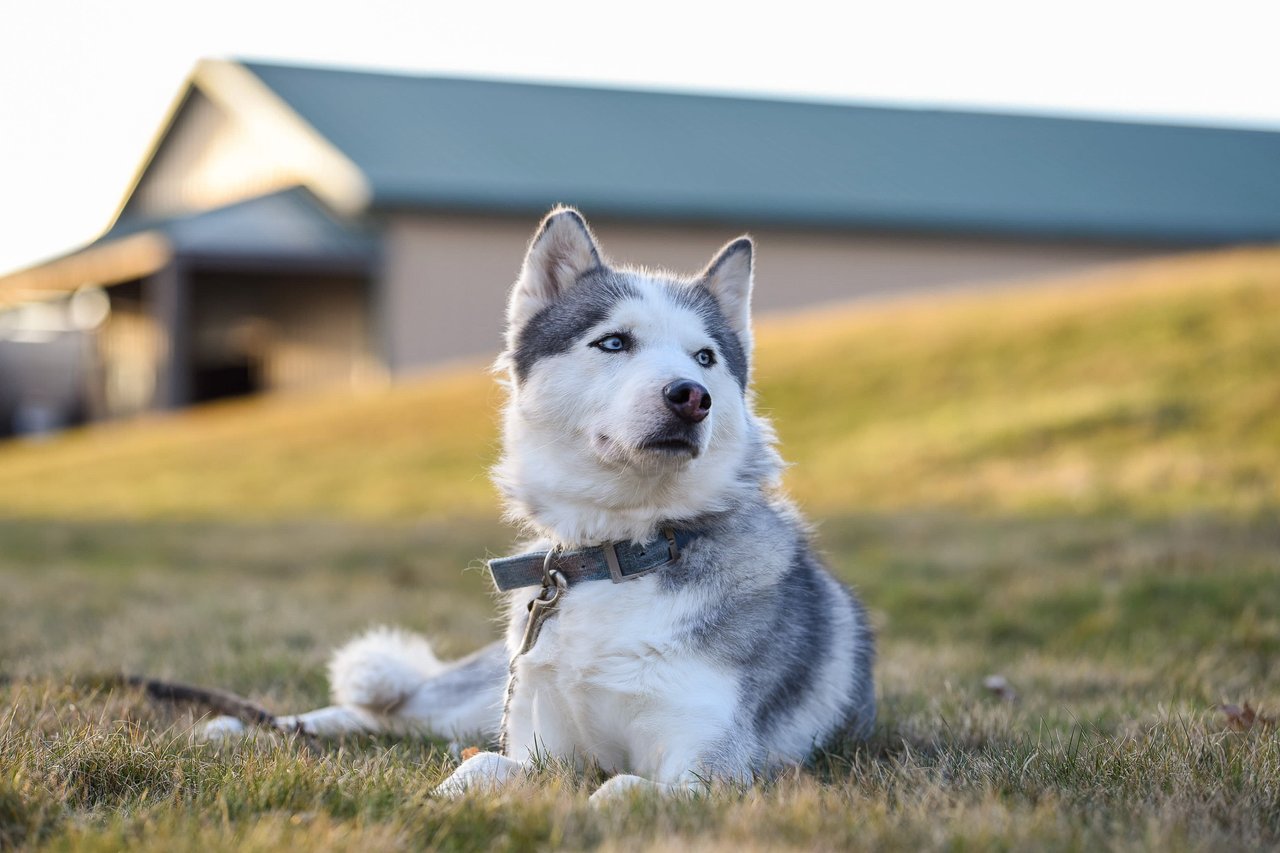
Siberian Huskies have a thick double coat designed for cold climates, which they shed heavily twice a year. During shedding seasons, their dander levels spike, contributing to allergic reactions. Though sometimes touted as hypoallergenic, studies show they produce similar levels of allergenic proteins compared to other breeds, making them a risky choice for allergy-prone homes.
5. Dalmatian
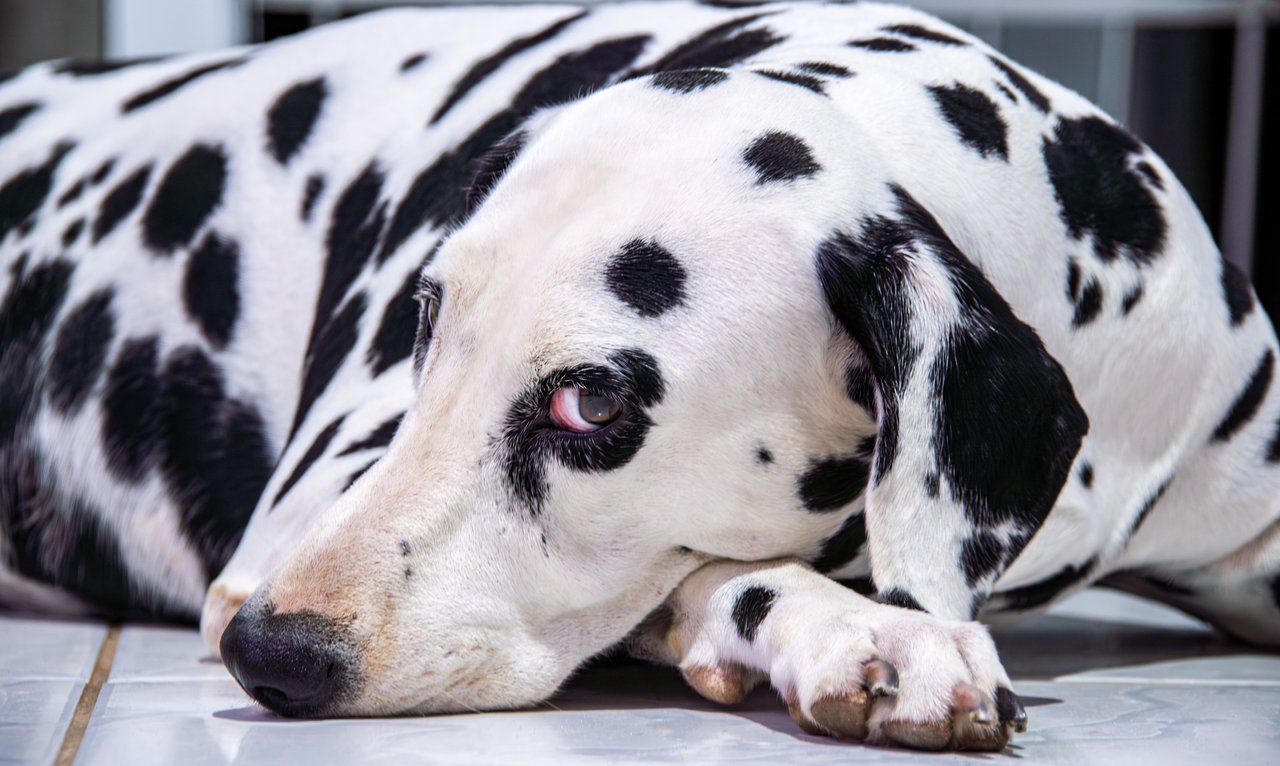
Dalmatians have short coats but shed quite a bit, spreading dander throughout the home. Their unique skin and coat proteins are known allergens. Additionally, their tendency to drool can increase exposure to saliva proteins, another common trigger for dog allergies. Their active lifestyle means frequent interaction, which can exacerbate symptoms.
6. Boxer

Boxers have tight, short coats but produce significant dander. Unlike dogs with longer fur that can trap dander close to the skin, Boxers’ smooth coats release allergens more readily into the environment. Their high energy and affectionate nature often result in close physical contact, increasing allergen exposure for sensitive individuals.
7. English Springer Spaniel
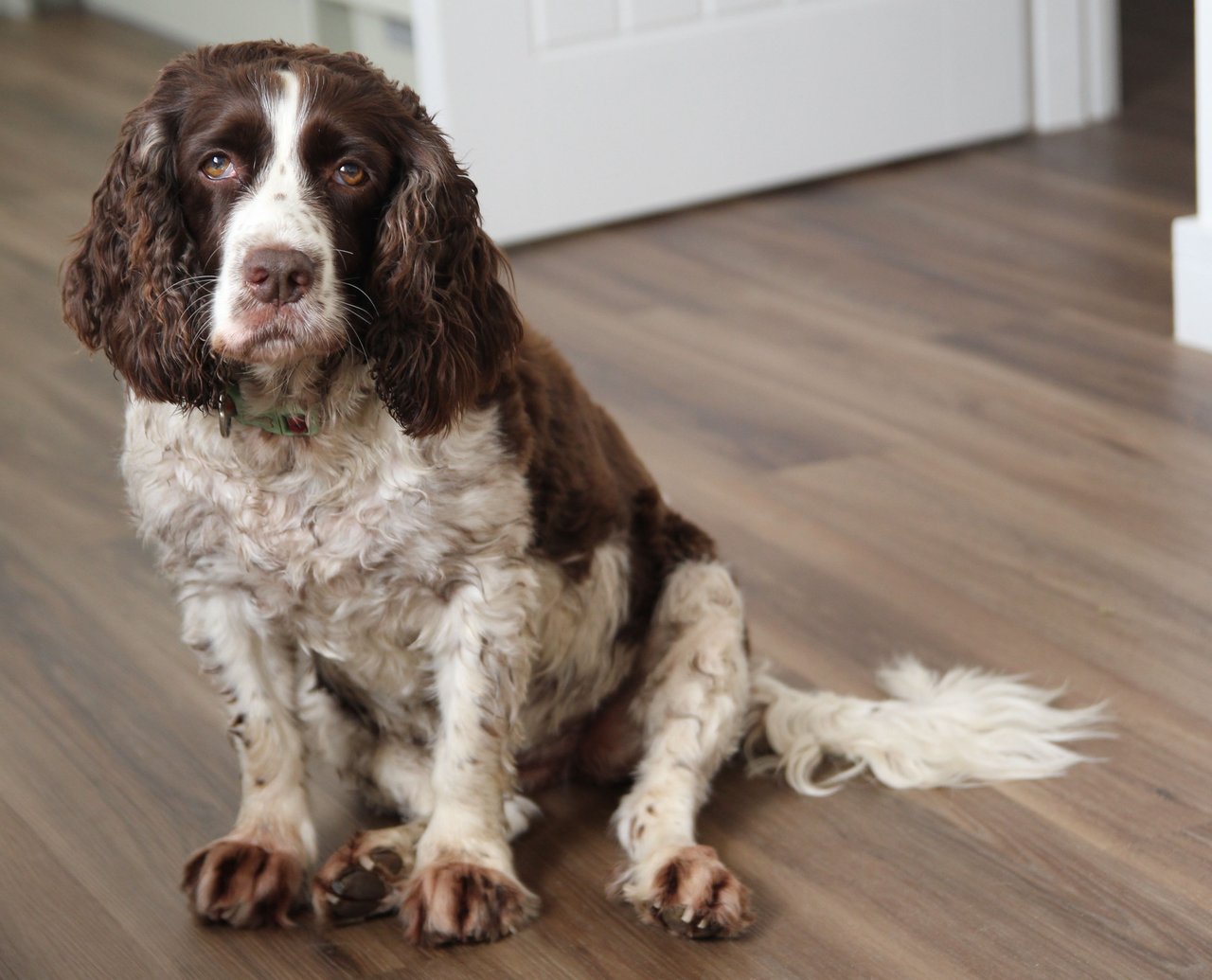
English Springer Spaniels have a medium-length, dense coat that sheds moderately but produces high levels of dander. Their skin proteins are potent allergens, and their affectionate temperament encourages close contact, raising the risk of allergic reactions. Without frequent grooming, their allergen load can accumulate quickly in the home.
While no dog breed is truly hypoallergenic, understanding which breeds most commonly trigger allergies can help you make an informed choice. Regular grooming and cleaning can reduce allergen levels, but for those highly sensitive, avoiding these breeds may be the best option to keep sniffles at bay.