Federal Judge Rebukes Trump Lawyer for Citing Fake AI-Generated Case in Michigan Court
A Trump-appointed judge sharply criticized a DOJ lawyer for submitting a fake AI-generated case citation in an ICE detainee’s legal filing.
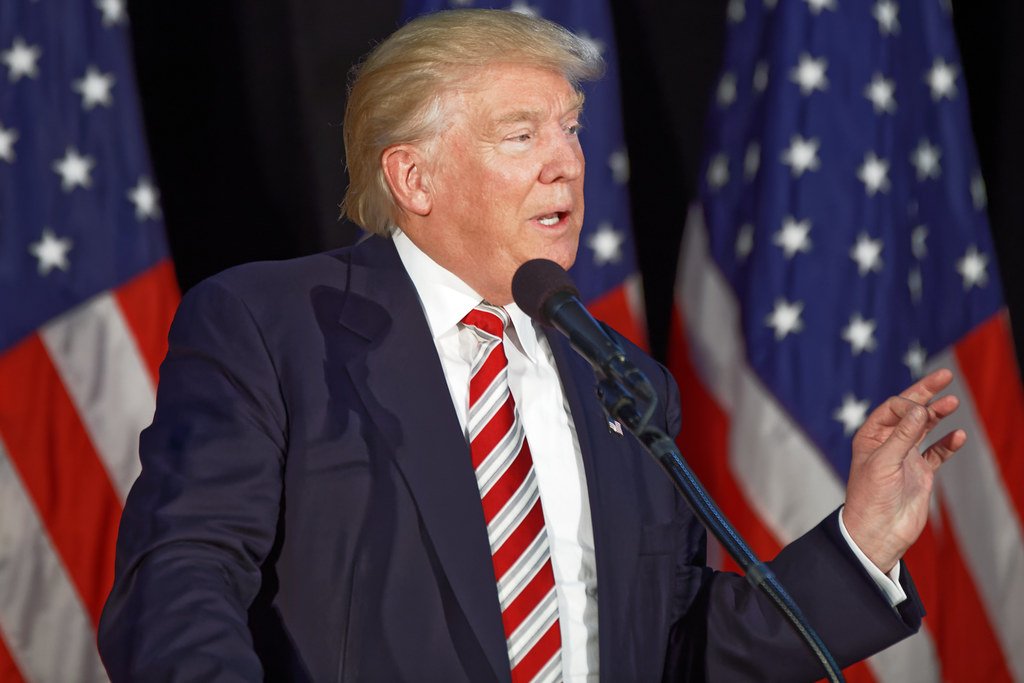
Michael Vadon/Flickr
A federal judge in Michigan appointed by former President Donald Trump has publicly reprimanded a Justice Department lawyer for using a fabricated case citation generated by artificial intelligence in a recent immigration bond case. The judge’s detailed ruling, issued in July 2026, highlights growing concerns about the unvetted use of AI tools in legal research and filings.
Judge Hala Jarbou Identifies Fake Citation in ICE Detainee Case
Judge Hala Jarbou, appointed to the U.S. District Court for the Eastern District of Michigan in March 2020, uncovered that the Justice Department’s filing included a non-existent case titled Taylor v. Hott. The citation was allegedly from the Federal Appendix, but the judge’s investigation found no such case or quoted language in the referenced volume. Instead, page 387 of the Federal Appendix contained unrelated opinions about commercial arbitration, not immigration law.
In her ruling, Judge Jarbou wrote, “The cited case, Taylor v. Hott, is not located at the identified page of the Federal Appendix… In its research, the Court was unable to identify a Sixth Circuit case with the caption Taylor v. Hott, or any federal case containing the quoted language. Thus, it seems this citation was likely produced by generative artificial intelligence (‘AI’).”
Legal Community Reacts to AI-Generated Errors in Court Filings
The incident has sparked widespread discussion among legal professionals about the risks and responsibilities of using AI tools in legal research. While AI can expedite document drafting and case law searches, it can also generate plausible but false information if not carefully verified.
Judge Jarbou emphasized the duty of attorneys to verify all citations, stating, “It should be obvious that any attorney who uses AI must scrupulously review its work product to ensure that the cited cases exist and that the citations accurately and fairly represent the underlying case law. The duty of candor towards this tribunal demands no less.”
Despite the serious nature of the error, the judge opted not to impose sanctions on the government attorney, instead warning, “Although the Court will not presently impose sanctions for this conduct, it goes without saying that the Government must ensure its future filings with this Court do not include non-existent case law.”
Implications for AI Use in Legal Practice
This case underscores the challenges courts and legal practitioners face as AI tools become more prevalent in the justice system. Automated content generation, while innovative, can inadvertently introduce inaccuracies that may undermine legal credibility and due process.
Experts caution that AI should be used only as an assistive tool, with lawyers maintaining ultimate responsibility for verifying every fact and citation. Failure to do so could result in embarrassment, professional discipline, or compromised cases.
Sam Stein, editor at The Bulwark, succinctly described the situation as “embarrassing,” reflecting a broader concern about overreliance on AI without proper human oversight.
Context: Increasing AI Integration in Courts
Artificial intelligence is rapidly reshaping many aspects of law, from contract analysis to predictive case outcomes. However, the legal system has yet to fully establish standards and best practices for AI-generated content, especially regarding citation accuracy and ethical obligations.
Several courts nationwide have begun addressing these issues, calling for transparency when AI tools are used and mandating thorough human review. This Michigan case may prompt further scrutiny and policy development to prevent similar errors.
The ruling by Judge Jarbou serves as a clear reminder that while AI can be a powerful resource in legal work, attorneys must remain vigilant to uphold the integrity and reliability of the judicial process.