12 US Cities Running Out of Water — And How Property Values Are Taking a Hit
Water scarcity is reshaping the US housing market. Discover which 12 cities are drying up and how property values are already shifting.
DigitalByNADAS Photography/Pexels
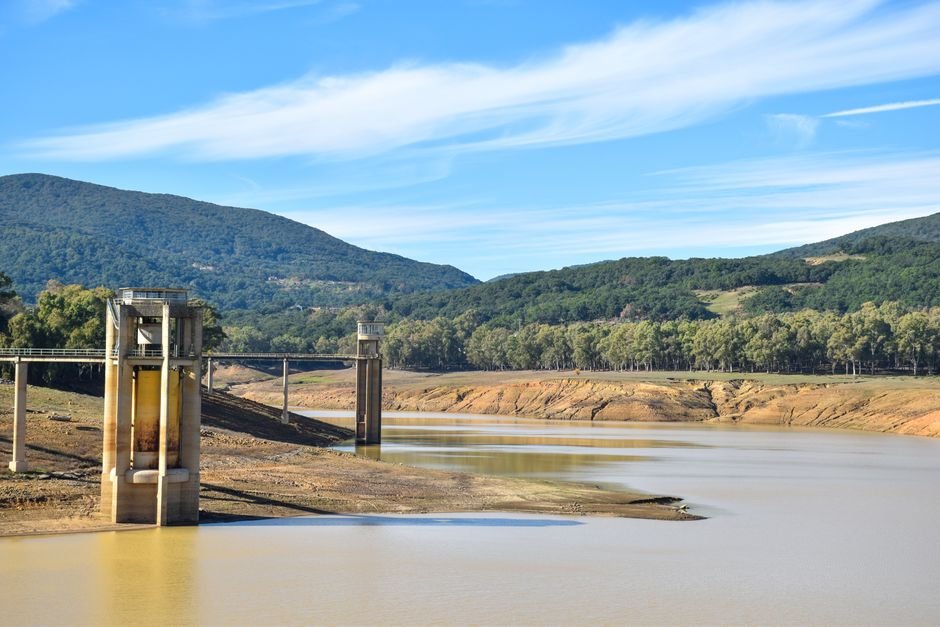
Water scarcity has become a pressing issue across many parts of the United States in 2026, with some cities facing unprecedented shortages. These shortages are not only impacting daily life but are now influencing the real estate market, causing property values to fluctuate. Here’s a look at 12 US cities where water shortages are already affecting housing prices.
1. Phoenix, Arizona
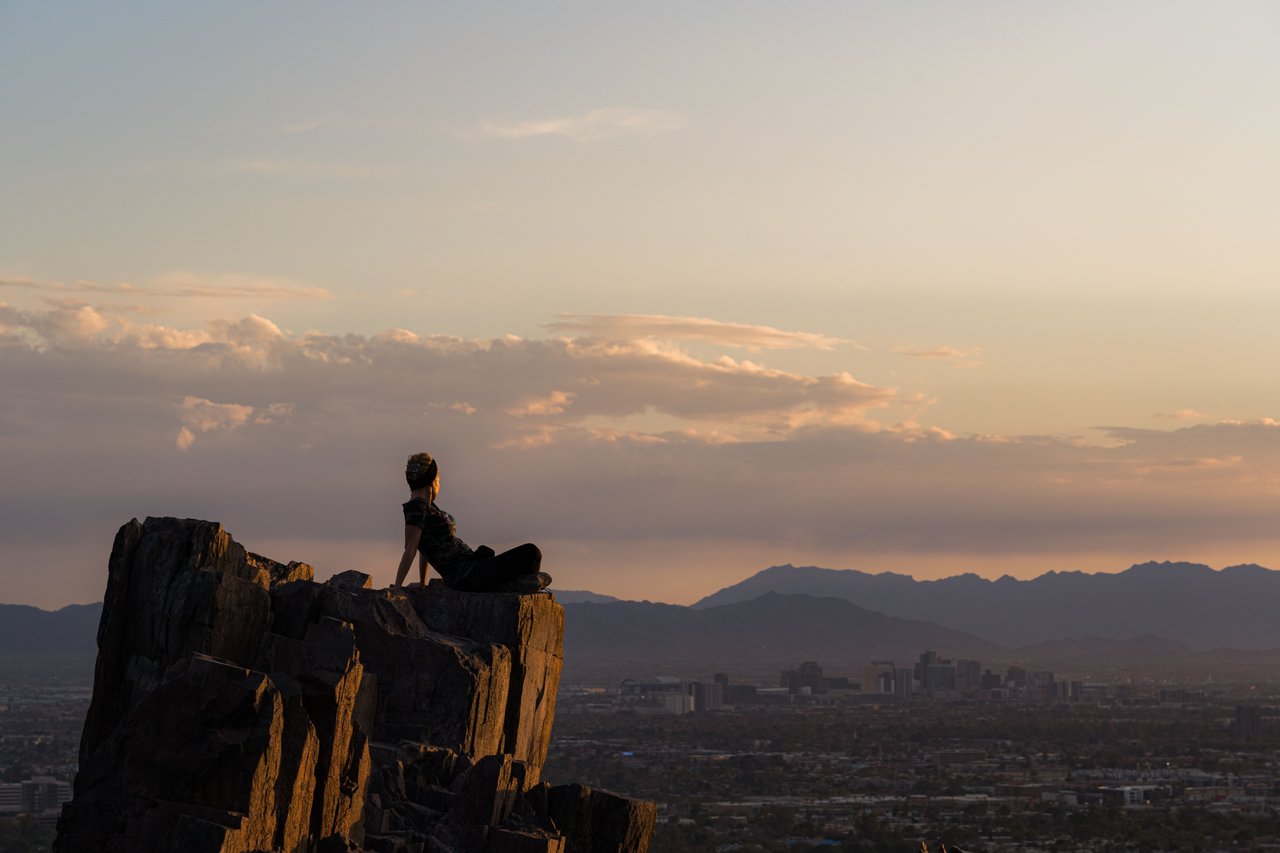
Phoenix has been battling dwindling water supplies due to prolonged drought and over-reliance on the Colorado River. In 2026, restrictions on water usage have tightened, leading to slower housing market growth. Property values in some suburbs have dropped by nearly 8% as buyers grow wary of long-term water availability.
2. Las Vegas, Nevada
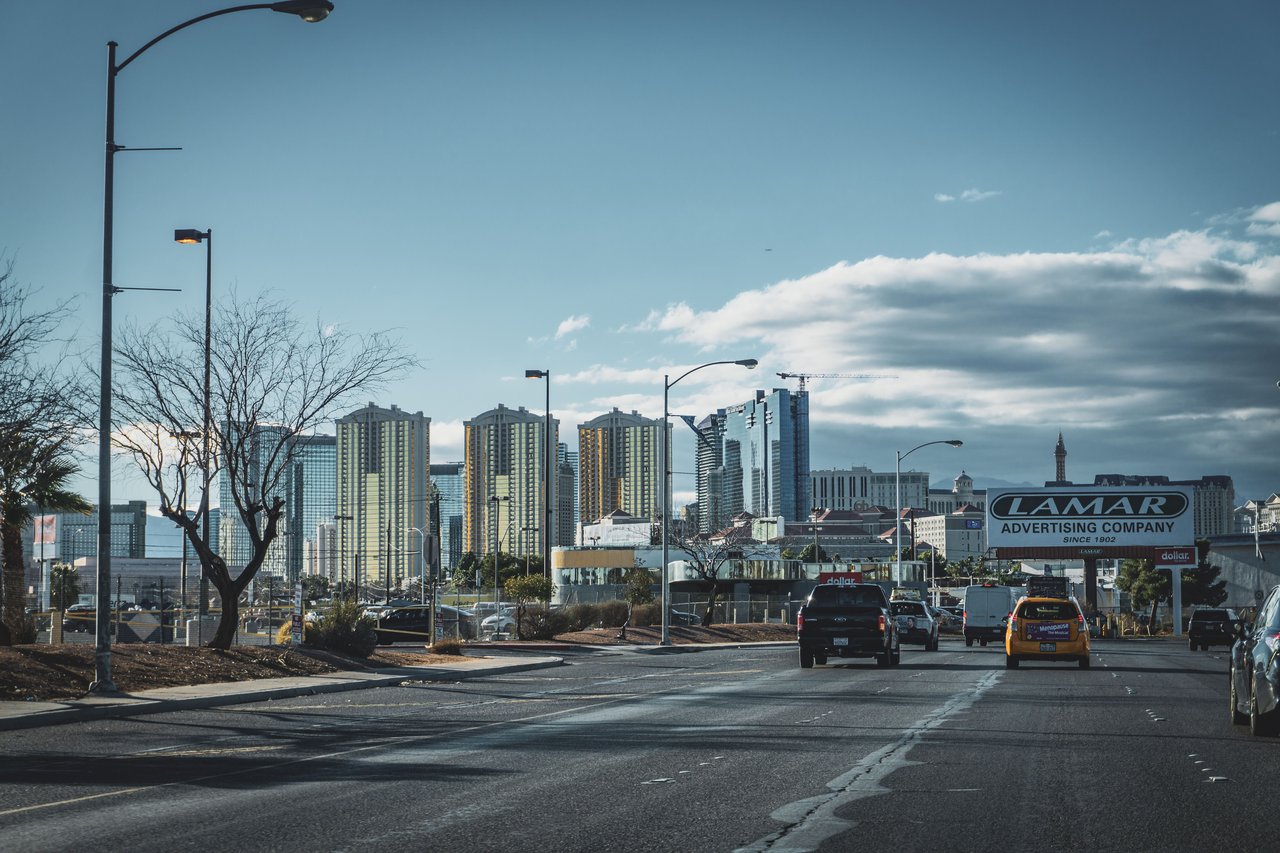
Las Vegas continues to struggle with Lake Mead’s declining water levels. The city implemented severe watering restrictions in early 2026, which has led to a cooling housing market. Some neighborhoods reported a 5% dip in property prices as concerns mount about sustainable living conditions.
3. San Diego, California
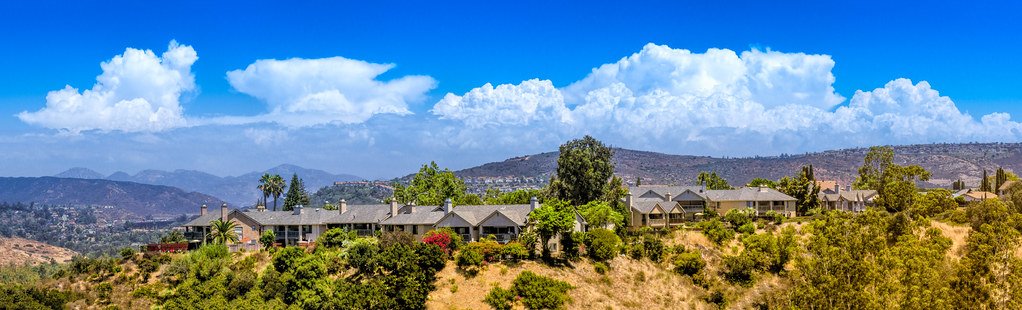
Despite its coastal location, San Diego’s water supply is heavily dependent on imported sources facing shortages. In 2026, the city declared an official water emergency, prompting stricter conservation rules. Real estate agents note increased hesitation among buyers, especially in water-intensive luxury developments.
4. Albuquerque, New Mexico

Albuquerque’s groundwater levels have plunged due to years of over-pumping. In 2026, the city’s water restrictions have forced developers to rethink new projects. Property prices in some parts of the city have softened by 6%, reflecting growing concerns about water sustainability.
5. Austin, Texas
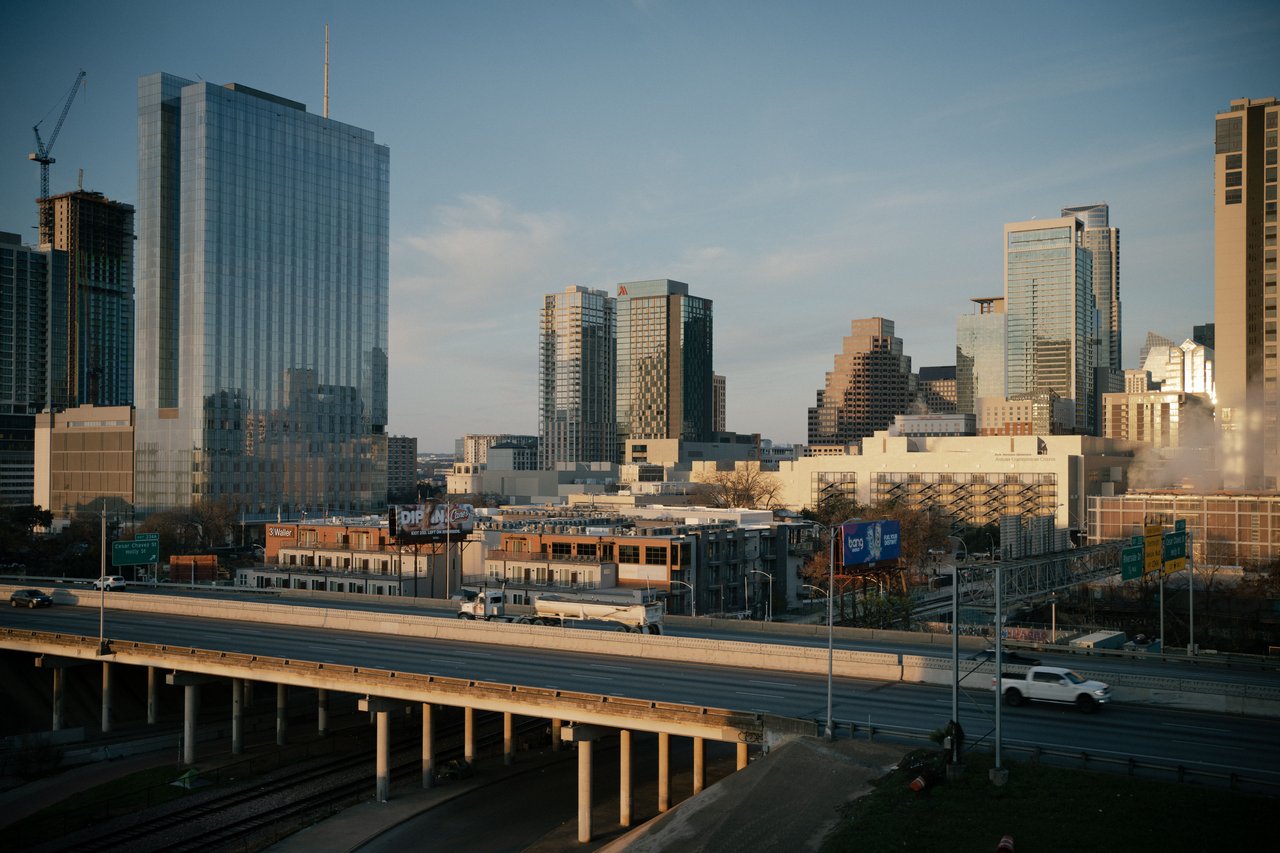
The Texas heatwave of 2026 exacerbated water scarcity in Austin. Reservoir levels hit historic lows, triggering mandatory water use limits. The local housing market has seen a slowdown, with some neighborhoods experiencing a 4-7% decline in property values linked directly to water insecurity fears.
6. Denver, Colorado
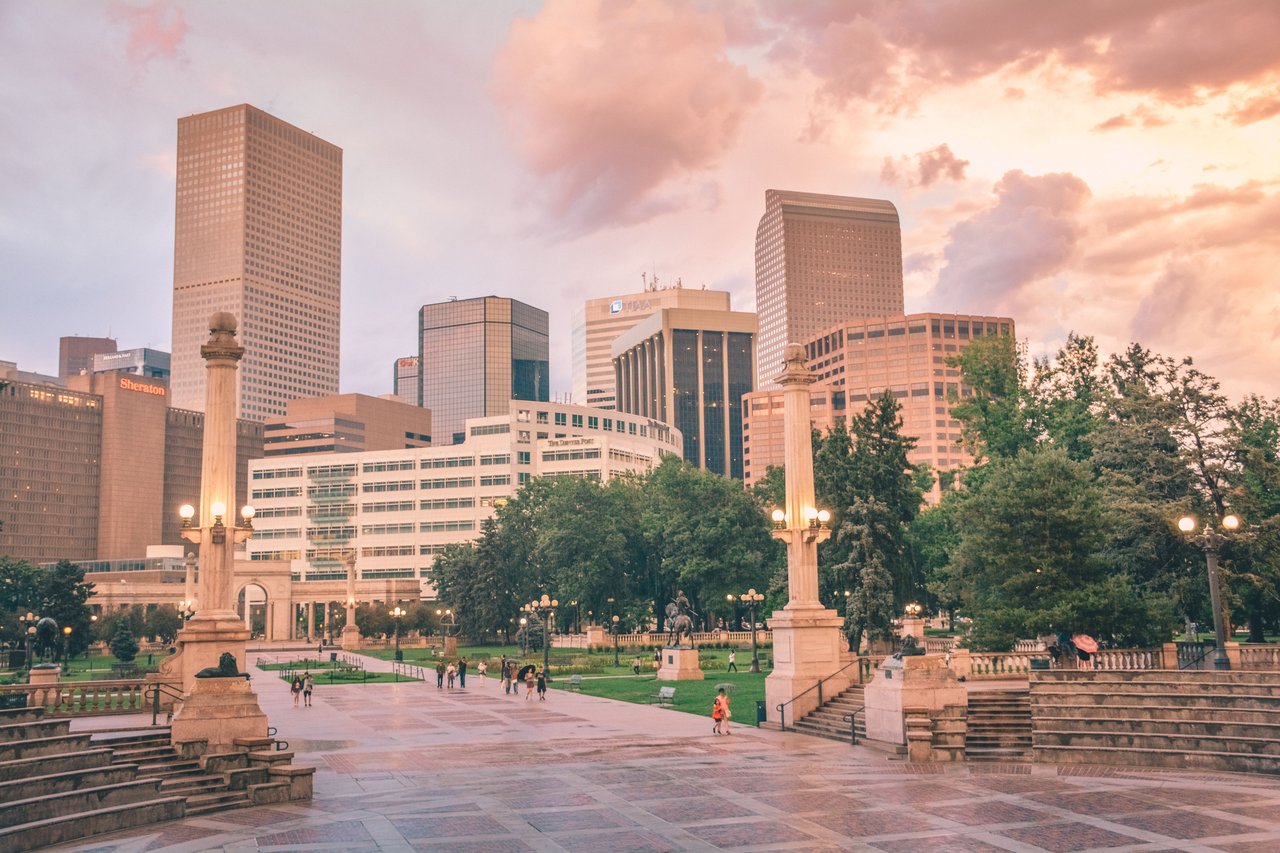
Denver’s rapid growth put pressure on its already limited water resources. In 2026, restrictions on lawn irrigation and new construction water use tightened. Real estate analysts report that homes with higher water demands are losing value faster, with a 5% average drop in certain districts.
7. Sacramento, California
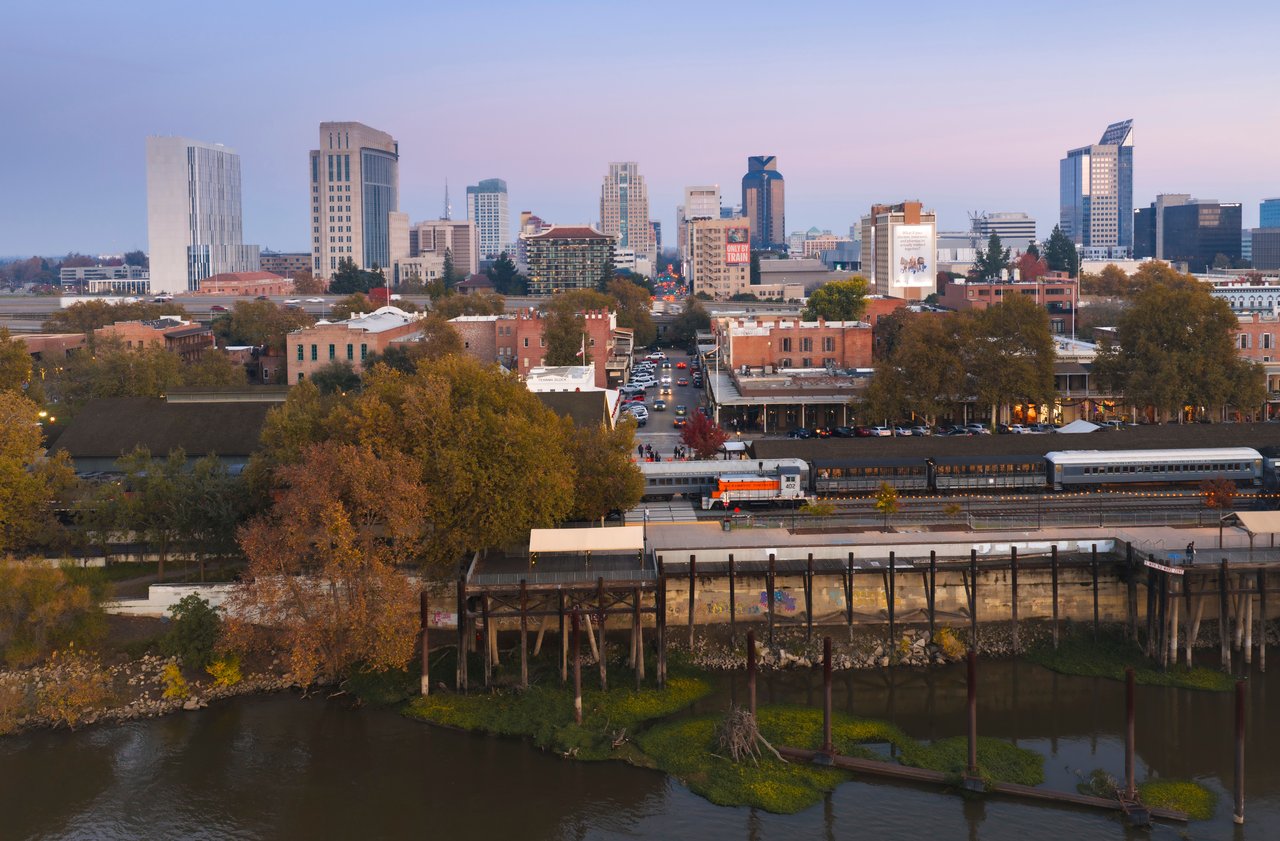
Sacramento’s proximity to drought-stricken areas has made water scarcity a critical issue in 2026. Water rationing was introduced mid-year, causing a slowdown in the housing market. More affordable homes with water-efficient features are holding value better than older properties.
8. Salt Lake City, Utah
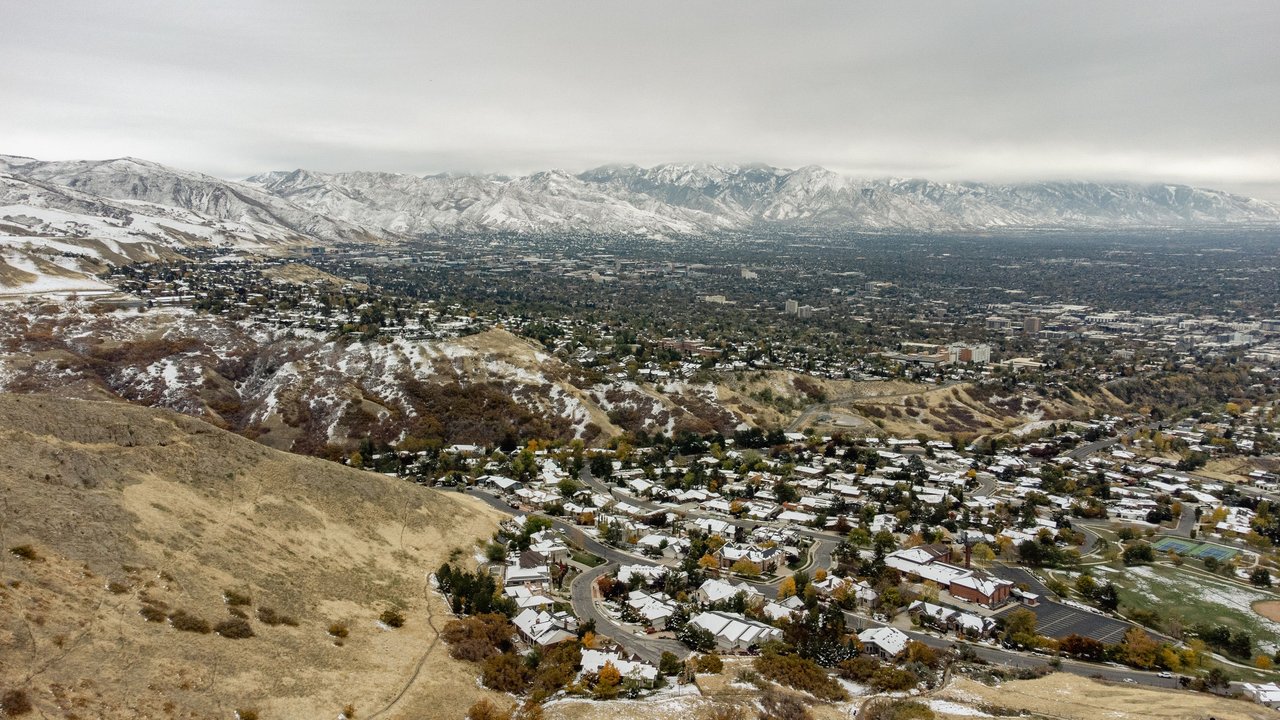
Salt Lake City’s Great Salt Lake crisis has spotlighted regional water shortages. In 2026, municipal water restrictions affected new developments and landscaping. Property values in newly developed suburbs saw a 5% decline as buyers question long-term water security.
9. Tucson, Arizona
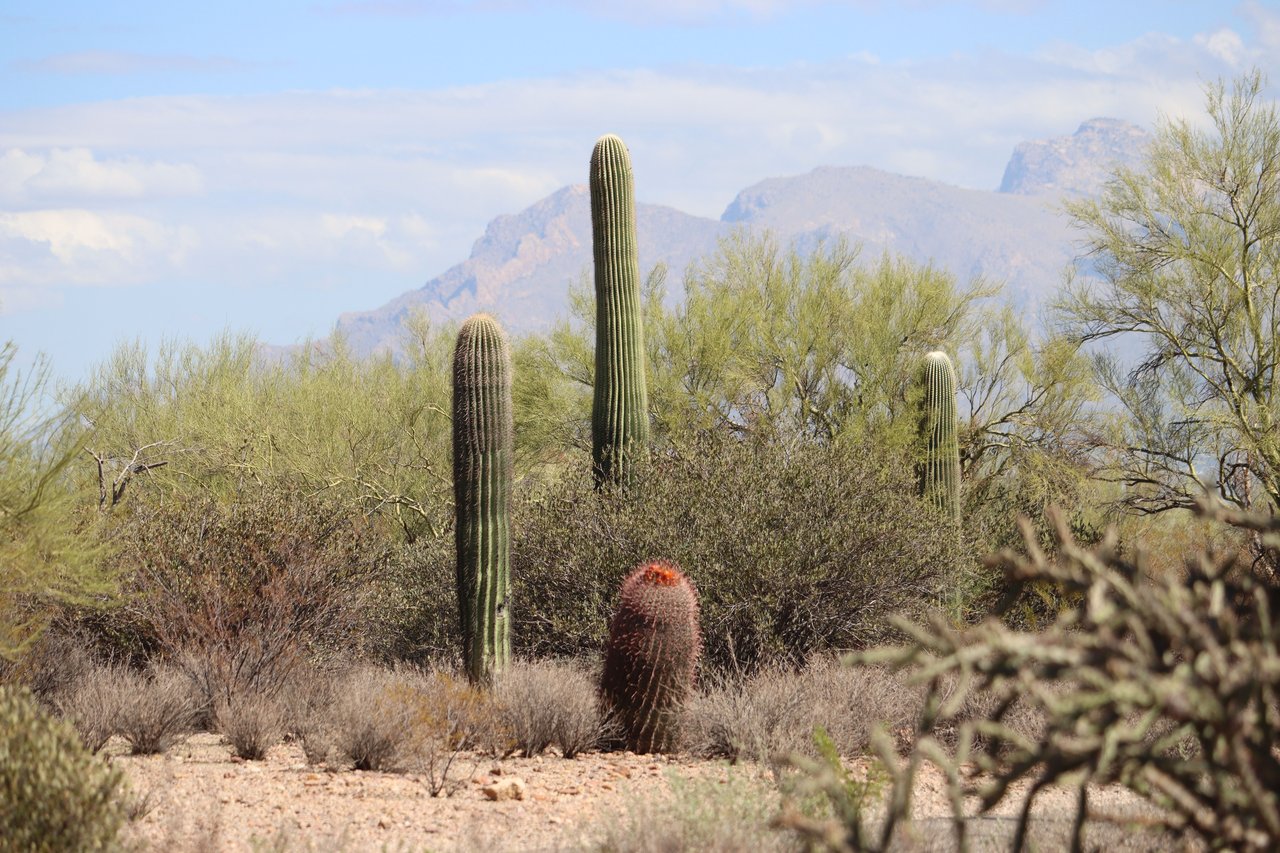
Tucson’s water supply challenges intensified in 2026 due to reduced aquifer recharge rates. The city imposed usage caps that have impacted real estate demand. Home prices near natural water features dropped noticeably, with an average 7% decrease.
10. Riverside, California
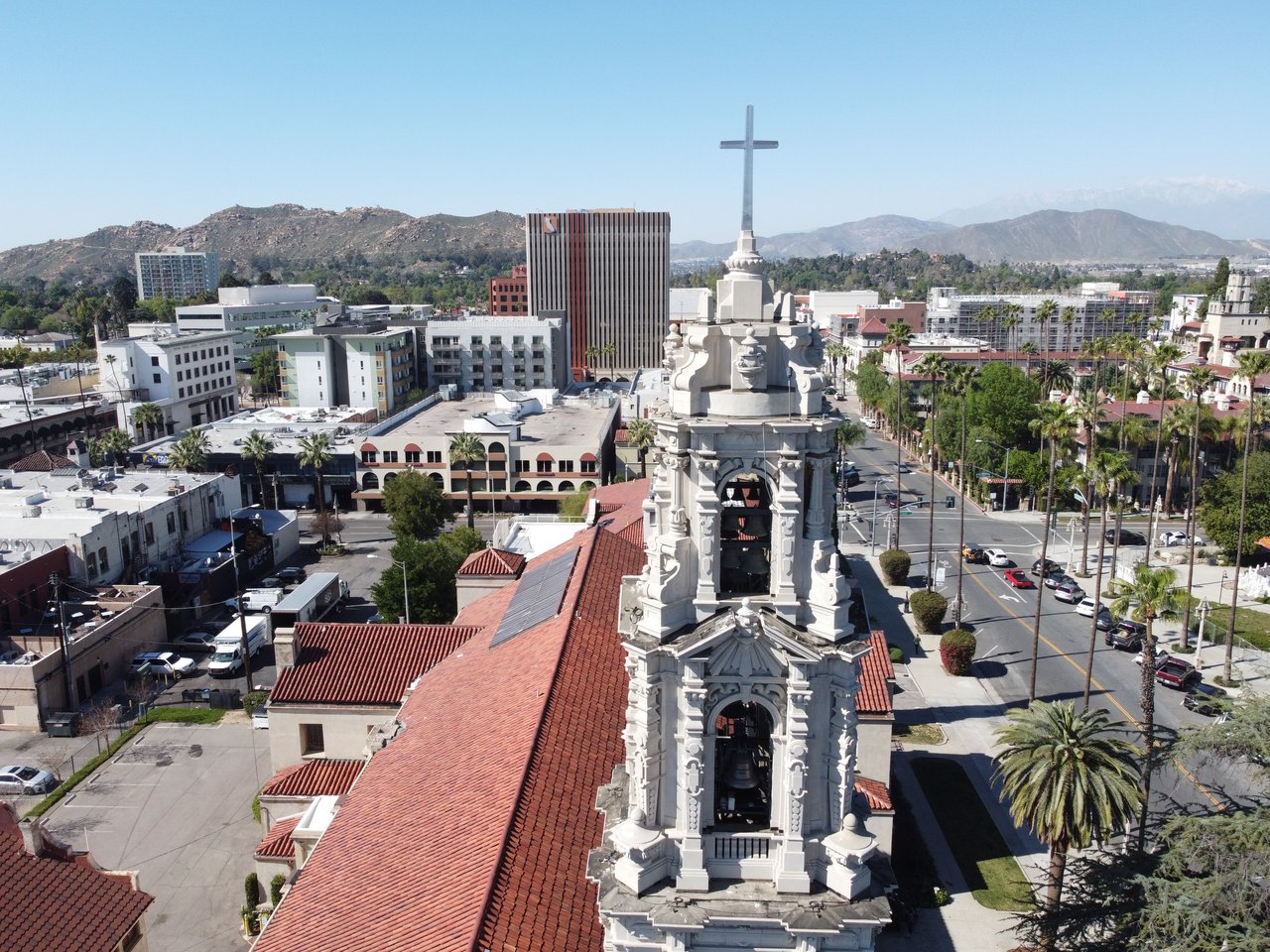
Riverside faces ongoing drought and groundwater depletion in 2026, forcing strict water conservation. The local housing market reflects this pressure with a 6% decline in prices for homes without water-saving upgrades or sustainable landscaping.
11. Santa Fe, New Mexico
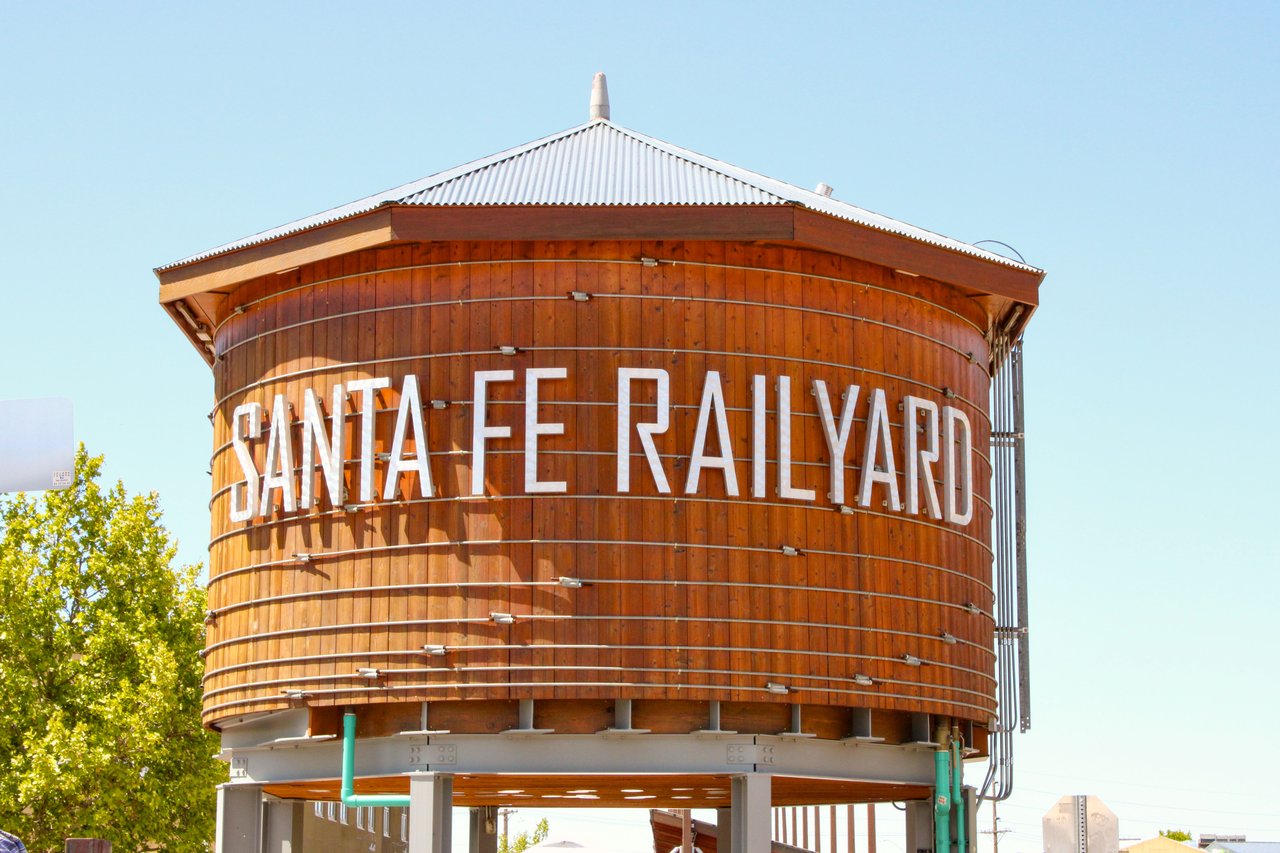
Santa Fe’s historic drought conditions worsened in 2026, prompting city-wide water use restrictions. Real estate trends show a preference for properties with xeriscaping and rainwater capture systems, while traditional homes saw values dip by around 5%.
12. Colorado Springs, Colorado
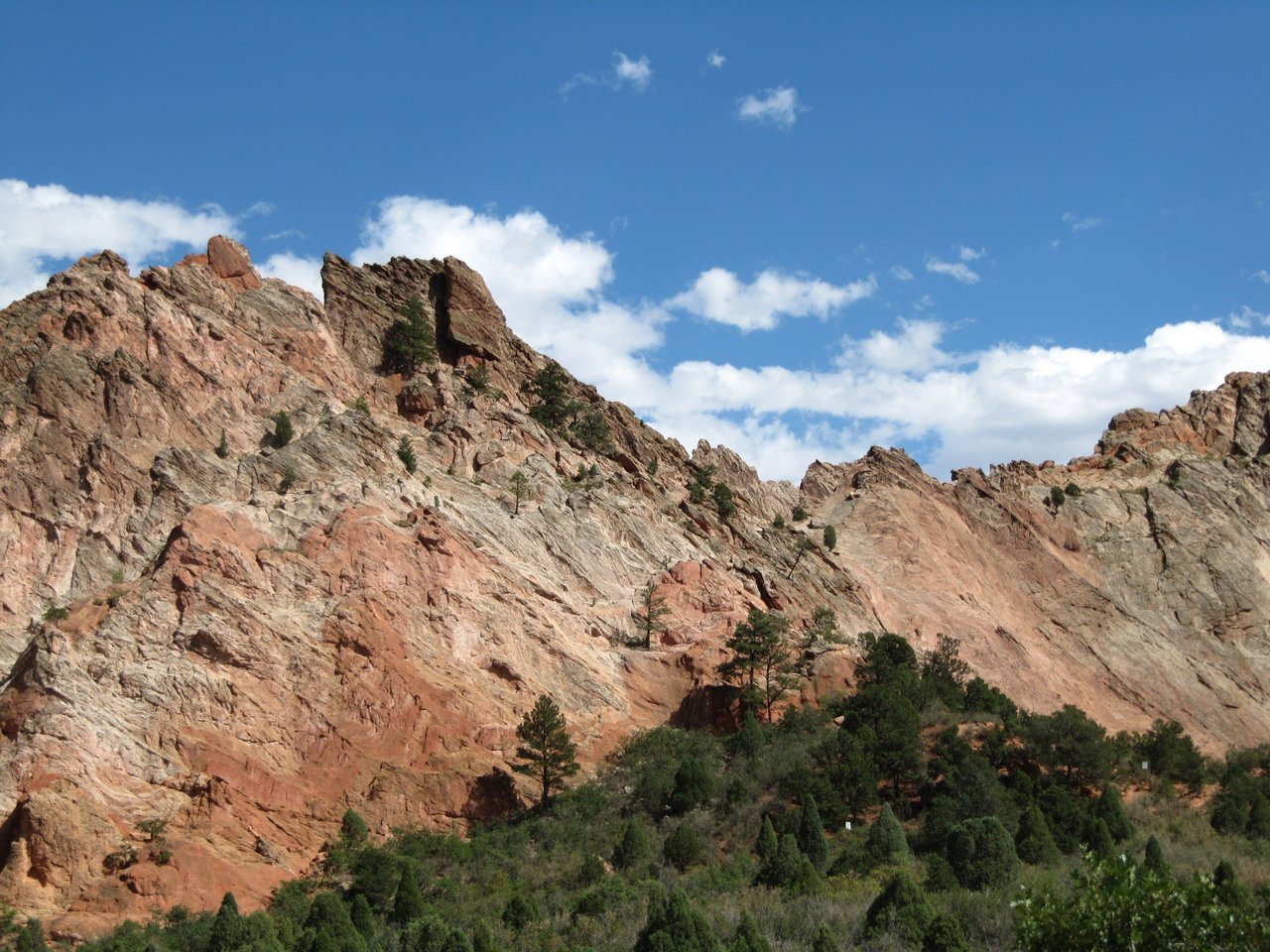
Colorado Springs’ growth has stressed local water supplies, and 2026 brought mandatory watering schedules and use restrictions. The impact on property values varies, but homes with high water demands are losing up to 6% in value as buyers prioritize sustainability.
Water scarcity is reshaping real estate dynamics across the US in 2026. Cities confronting shortages are already seeing property values adjust, reflecting a market increasingly sensitive to long-term water availability. Buyers and developers alike must consider water sustainability when making decisions in these vulnerable regions.