JD Vance Tells Investigators to ‘Go to Hell’ Amid Coordinated Online Attack Claims
JD Vance rejects claims of coordinated online attacks against him, calling investigators to ‘go to hell’ amid a rising digital political battle.
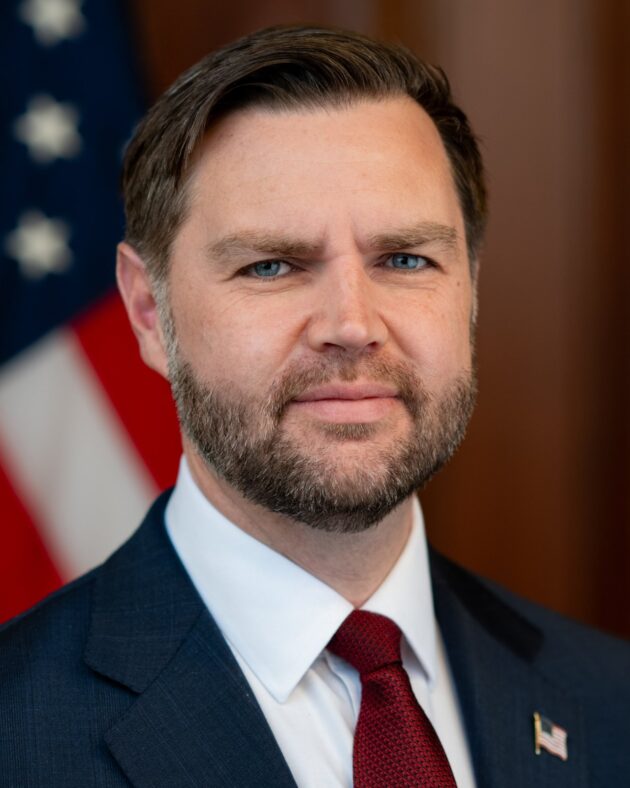
Emily J. Higgins/Wikimedia Commons
Vice President JD Vance has sharply rebuffed investigators probing a growing online campaign targeting him, telling them to “go to hell” as allegations surface that the anti-Vance messaging is part of a coordinated political effort. The controversy has drawn national attention amid reports that a pro-Israel advocacy group paid conservative influencers to spread attacks against Vance, who remains a leading figure in the Republican Party and a potential 2028 presidential contender.
Allegations of a Coordinated Online Campaign
Investigators examining the wave of negative digital content against Vance argue the campaign goes well beyond organic criticism. Sources cited by the Daily Mail suggest that a pro-Israel advocacy organization financed conservative social media personalities to push the “Never Vance” slogan and disparage the vice president’s foreign policy positions. The campaign reportedly involves former political strategists experienced in digital messaging, aiming to weaken Vance’s standing among conservative voters.
This revelation has intensified debate about the growing role of organized, paid online campaigns in American politics. Critics warn such efforts can distort public discourse and manipulate voter perceptions, while some see them as a new battleground for influencing the political landscape.
JD Vance’s Blunt Response
When questioned about the reported coordinated attacks, Vance responded with a defiant and terse statement: “You know, my response to that is, ‘Well, go to hell.’” His comment quickly spread across social media platforms, fueling additional media coverage and public discussion. The vice president’s direct dismissal underscores his frustration with what he characterizes as politically motivated efforts to undermine him.
Despite the controversy, Vance’s core support among conservatives appears largely intact. Polling data referenced by the Daily Mail shows Vance commanding 48 percent support among Republican voters, significantly ahead of his nearest challenger, Secretary of State Marco Rubio, who stands at 18 percent.
Impact on Vance’s Political Prospects
Supporters argue that the online campaign has failed to damage Vance’s popularity and may have even galvanized his base as he remains a frontrunner for the GOP presidential nomination in 2028. Vance’s firm stance against the allegations has resonated with many conservatives who view the attacks as unfair or politically motivated.
Nevertheless, the situation highlights the increasing complexity of modern political campaigns, where digital influence and paid messaging play critical roles. The controversy serves as a reminder of how outside groups and consultants can shape political narratives and voter opinions through targeted online efforts.
Broader Implications for Political Digital Campaigning
The incident involving Vance raises important questions about transparency and ethics in political digital campaigning. Organized efforts by advocacy groups to fund and coordinate online attacks blur the line between free speech and manipulative tactics. Many political observers and commentators have called for clearer regulations to address these emerging challenges in the digital age.
At the same time, defenders of such campaigns argue they represent a new form of political engagement and messaging that reflects the realities of communication in the 21st century. The debate over the legitimacy and impact of paid online political campaigns is expected to intensify as the 2028 election cycle takes shape.
As JD Vance continues to assert himself as a leading figure in the Republican Party, the controversy surrounding the “Never Vance” campaign may ultimately prove to be a test of his resilience and the evolving role of digital influence in American politics.