Escalating Conflict: US Airstrikes Hit Iran; Iran Targets Bahrain, Kuwait, Qatar
The US launched extensive airstrikes on Iran, prompting Tehran to retaliate against Bahrain, Kuwait, and Qatar amid Gulf tensions.
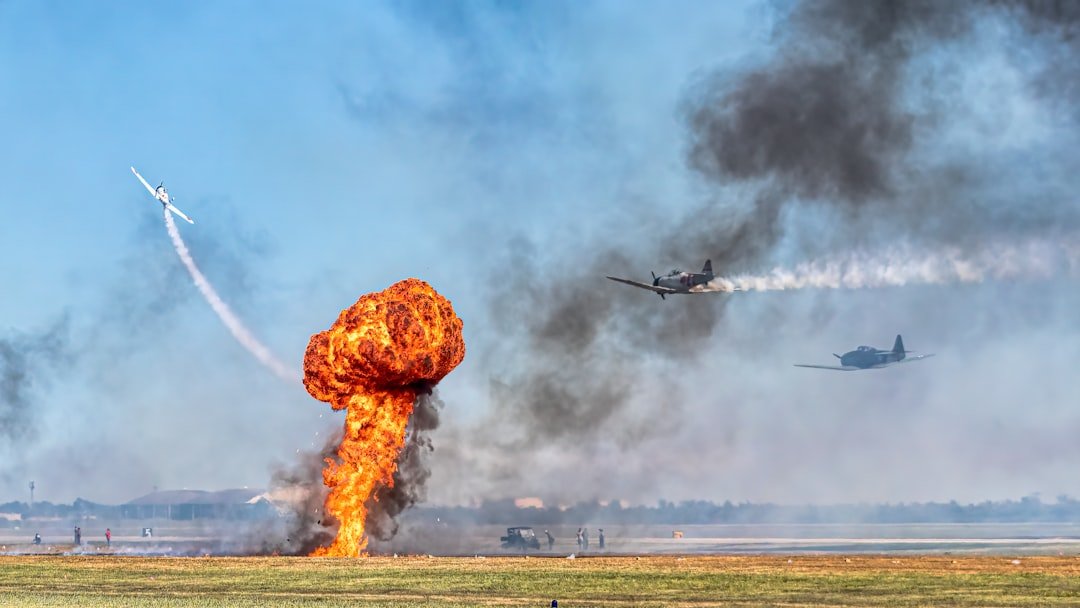
Edgar Serrano/Unsplash
The United States launched a significant series of airstrikes against Iran early Thursday, marking a sharp escalation in the ongoing conflict in the Persian Gulf. In response, Iran fired missiles and drones at three Gulf Arab states—Bahrain, Kuwait, and Qatar—heightening regional tensions and threatening a fragile ceasefire recently brokered to ease hostilities in the vital Strait of Hormuz shipping lane.
Details of the US Airstrikes
The US military, via Central Command, reported hitting approximately 90 targets across Iran, focusing on military installations, port facilities, and critical infrastructure. The strikes targeted sites including airport runways, missile launchers, and key bridges in northeastern Iran. Particularly notable were attacks near Bushehr, home to Iran’s nuclear power plant, as well as multiple southern port cities such as Chabahar, Konarak, Bandar Abbas, and Sirik.
Officials stated that the goal of the strikes was to “further degrade” Iran’s ability to threaten freedom of navigation through the Strait of Hormuz, a strategic waterway that previously carried a fifth of the world’s traded oil and natural gas before the conflict intensified earlier this year.
Iran’s Retaliation Against Gulf Arab States
In retaliation, Iran’s Revolutionary Guard launched missile and drone attacks targeting Bahrain, Kuwait, and Qatar. Sirens blared multiple times in Bahrain, home to the US Navy’s 5th Fleet headquarters, while Kuwait’s military confirmed it intercepted incoming Iranian projectiles. No immediate casualties or damage were reported by the Gulf states, though tensions soared as these countries found themselves caught in the crossfire.
The attacks underscored Iran’s willingness to expand the conflict beyond its borders, targeting US allies in the Gulf as the war in the region escalates.
Impact on Maritime Traffic and Regional Stability
Since a tentative maritime deal was reached last month, traffic through the Strait of Hormuz has increased but remains vulnerable. Maritime data shows that 576 ships passed through the strait in June 2026, a rise from 233 in May but still below pre-war levels of over 3,100 vessels in June 2025.
These airstrikes and retaliatory strikes risk unraveling the fragile agreement aimed at reopening this critical shipping route. The Strait of Hormuz remains a flashpoint, with the global energy market closely watching developments given the region’s outsized role in oil and gas exports.
Political Fallout and Leadership Turmoil in Iran
The strikes coincided with major political events in Iran, including the funeral procession for the late Ayatollah Ali Khamenei, Iran’s longtime supreme leader who was killed earlier this year in US and Israeli airstrikes that triggered the war. Tens of thousands of mourners flooded the streets of Mashhad and Tehran, showing support while chanting anti-US and anti-Israel slogans.
The timing of the US strikes near Iranian bridges on routes to Mashhad added a symbolic and strategic dimension to the military campaign, as Iranian authorities worked to maintain order amid the national mourning.
US Warnings and Future Prospects
Following the strikes, US President Donald Trump reiterated stern warnings to Iran via social media, threatening harsher retaliation if attacks on shipping lanes continue. Trump also revived threats to target Iran’s civilian infrastructure, including power and desalination plants, and to seize Kharg Island, a vital oil export hub.
The escalating conflict raises the stakes for all parties involved, with both military and diplomatic efforts at risk of collapse. The coming days will be critical in determining whether the war expands further or if cooler heads can restore a measure of stability to the volatile Gulf region.
As the situation develops, the international community watches closely, aware that the Persian Gulf remains a vital artery for global energy and trade, where any disruption could have far-reaching consequences.